
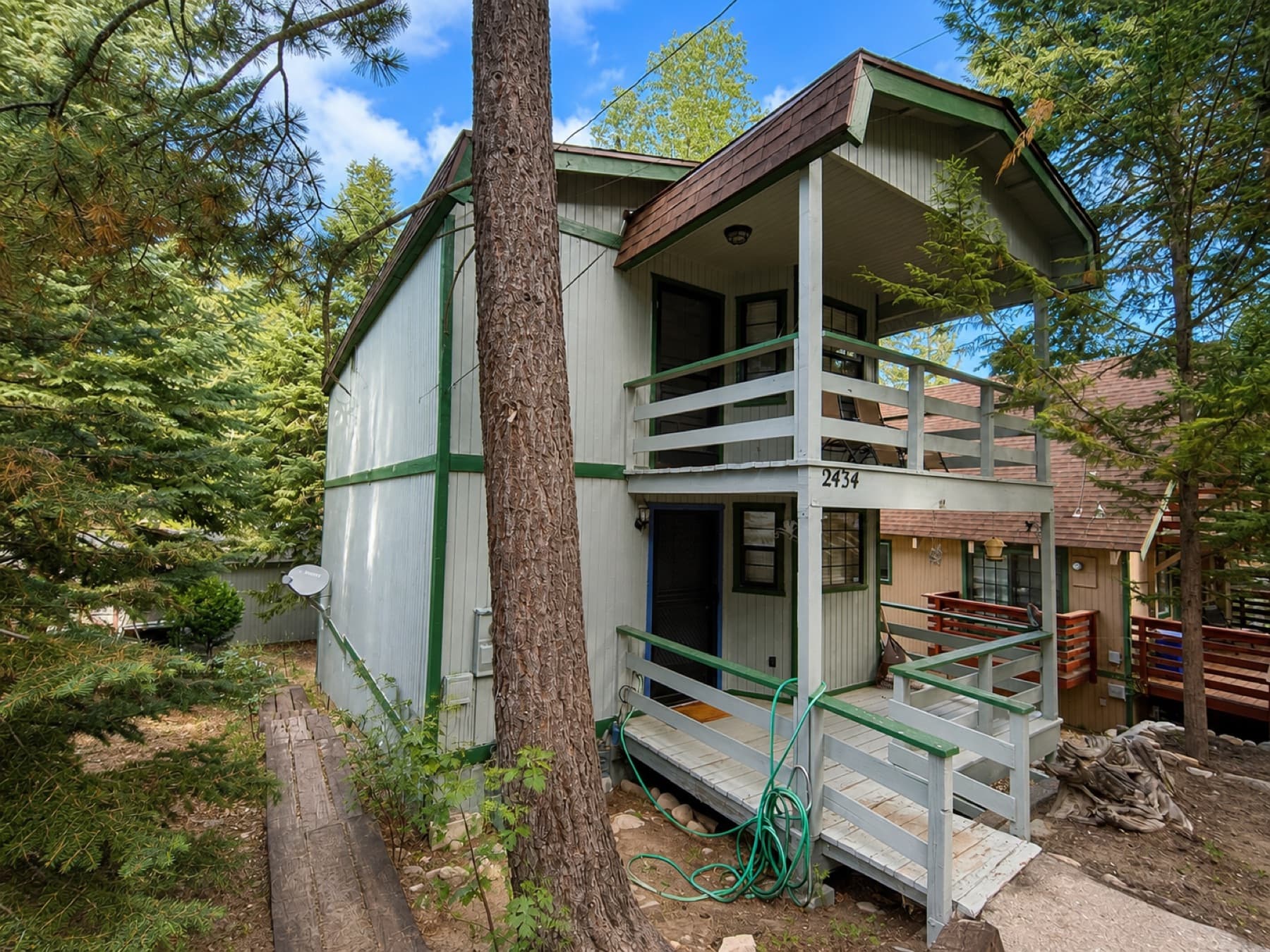
Get the house ready before the storm
Get the house ready before you see the first snowflake. Check the weather. Think about food, water, medications, and necessities. Charge devices. Understand the heating system. Know where the important shutoffs are. If you use a generator, understand how to operate it safely. Winter is much easier when you are prepared.
There is not one snowfall number for the whole San Bernardino Mountains. Big Bear, Lake Arrowhead, Running Springs, Green Valley Lake, Crestline, and the smaller communities can live differently, and two houses in the same area can too, because of elevation, sun, terrain, and how a storm moves through. The house still has its own winter: heat, water, the deck, the roof, and what you will do if the power goes out.
Highways, chain controls, and who plows the road stay on winter access. Grade, parking, snow storage, and berms stay on driveways and parking. Cabin systems and what an inspector looks at stay on mountain home inspections. Cyndi Lamperts is a REALTOR® (DRE #02187485) with Mountain Top Producers Realty. Confirm her license on the DRE lookup. She is not the contractor, plumber, electrician, or inspector.
- 1
Start before the first snowflake
Check the weather. Think about food, water, medications, and necessities. Charge devices. Understand the heating system and where important shutoffs are. If you use a generator, learn how to operate it safely before the storm. The drive up stays on https://www.cyndisellssocal.com/mountain-winter-access and https://quickmap.dot.ca.gov/.
- 2
Keep what this household actually needs
Food, water, medications, flashlights, batteries, a way to charge phones, warm clothing, blankets, snow-removal equipment, and vehicle traction equipment. If you have pets, include their supplies. The goal is handling an interruption comfortably, not panic buying.
- 3
Plan the outage before the lights go out
Without electricity, heating, refrigeration, internet, lighting, and charging phones change. Remote work and a weekend visit are different needs. Generators must never run inside a home, garage, or other enclosed space because of carbon monoxide. CDC: https://www.cdc.gov/carbon-monoxide/about/index.html.
- 4
Learn this house’s pipes and shutoff
Freezing can damage plumbing, especially if the home is vacant or inadequately heated. There is no universal winterizing list. Know the shutoffs, how the house is heated, and what a qualified professional says to do for that plumbing system. Write the leaving procedure down.
- 5
Look at the deck and roof before snow piles up
Snow adds weight. Deck age, construction, supports, connections, and drainage matter. Roof pitch, construction, condition, material, earlier alterations, and the snow itself matter. Cyndi will not say whether a structure can hold a given amount of snow. That is a professional evaluation.
- 6
Leave the plow and the driveway on their own guides
Who clears a road depends on who maintains it. The driveway is usually the homeowner’s job, and a plow can leave a berm across the entrance. Do not put snow back into the roadway. Roads: https://www.cyndisellssocal.com/mountain-winter-access. Driveways and berms: https://www.cyndisellssocal.com/mountain-driveways-and-parking.
Storm supplies for staying home
Every household is different. Cyndi wants people thinking about the possibility that they may need to stay home for a while. Food. Water. Medications. Flashlights. Batteries. A way to charge phones. Warm clothing and blankets. Snow-removal equipment. Vehicle traction equipment. Whatever that household specifically needs. If you have pets, do not forget their supplies. The goal is not panic buying. It is being able to comfortably handle an interruption.
She does not publish a day count or a cart that fits every cabin. Traction devices for the highway are part of being ready, and the chain rules themselves live with Caltrans on the winter access guide.
Supplies
Every household is different. Think about staying home for a while: food, water, medications, light, charging, warmth, snow equipment, traction devices, and pets.
Power
An outage changes heat, the refrigerator, internet, lights, and phones. A generator can help some owners. It is not a casual plug-in, and it never belongs inside.
Pipes and water
Vacant weeks and a freeze are when plumbing needs a plan that belongs to that house. One valve is not automatically a winterizing procedure.
Deck and roof
Snow is weight on parts of the house that already live in the weather. Condition questions go to a qualified professional before the storm, not after you hope the deck felt sturdy in July.
Power outages and generators
Without electricity, you may start thinking differently about heating, refrigeration, internet, lighting, charging phones, and other systems. If you work remotely, your needs may be very different from somebody who is only visiting for a weekend. Some homeowners choose backup power. Whatever the plan is, understand it before the outage happens.
Backup power can be valuable, especially for people who work remotely or depend on the house during winter. A generator is not something to casually plug into a house. Sizing, installation, ventilation, fuel storage, electrical connections, and safe operation matter. If a generator is already there, understand the system and have it evaluated when appropriate. If you want to install one, use qualified professionals.
Generators must be operated safely and never inside a home, garage, or other enclosed space because of carbon monoxide. The CDC carbon monoxide page is the safety source for that danger. Cyndi is not an electrician. Heating type, propane, and what an inspector looks at stay on mountain home inspections.
Mountain living does not mean expecting something to go wrong every day. It means being prepared enough that when something does happen, you are not starting from zero.
Pipes, heat, and shutting off the water
Freezing temperatures can damage plumbing, especially when a home is vacant or inadequately heated. Insulation, heating, where the pipes are, and the individual plumbing system all matter. Cyndi does not give buyers a universal plumbing procedure, because every house is different. Learn the specific property and get appropriate professional guidance on winterizing it.
Know where the shutoffs are. Understand how the house is heated. Heating is essential in a mountain home, and a vacation house still needs a plan for when temperatures drop and nobody is there. If you are leaving for weeks during winter, do not wait until the night before you leave to figure it out.
Should a second-home owner shut off the water? Maybe. That is exactly where Cyndi will not give everybody the same answer. The correct procedure depends on the plumbing, the heating system, and other equipment. Simply turning off one valve may not properly winterize that property. Have a qualified professional teach you what should be done when you leave during freezing weather. Write the procedure down. Then you do not have to guess every winter.
Cyndi’s mom: you do not want your first lesson about the water shutoff while water is going somewhere it should not. A mountain house can need attention when you are down the hill. A plan for somebody to check it can give you a lot of peace of mind. Ask your insurance professional what that carrier wants for a vacant house. Coverage questions belong on mountain home insurance and the California Department of Insurance. The shutoff question buyers often skip is also on questions mountain buyers don’t know to ask. Weekend and second-home shopping stays on Lake Arrowhead second homes.
Snow on decks and roofs
Snow adds weight, and decks live in the weather. Think about deck condition before winter, not after a major storm. How old is it? How was it constructed? What condition are the supports and connections in? How does water drain? If there is concern about snow load or structural condition, that is something for a qualified professional to evaluate. Do not make structural assumptions based on how sturdy a deck feels during a showing.
The same principle applies to the roof. Snow adds weight, and mountain roofs are designed and built in many different ways. Pitch, construction, condition, roofing material, previous alterations, and the snow itself all matter. Cyndi is not going to tell a buyer whether a roof can safely handle a particular amount of snow. That is a professional evaluation. What she will say is that the roof is one of the most important parts of a mountain property to understand.
When it is beautiful outside and you are still shopping, picture January: the roof, the deck, the trees, drainage, and how you will carry groceries when there is snow on the ground. Driveway, stairs, and parking for that picture stay on driveways and parking. Town lifestyle stays on living in Running Springs, living in Lake Arrowhead, living in Crestline, and living in Big Bear.
The road and the driveway are different jobs
Who plows a residential road depends on who maintains it. Many public roads in the unincorporated mountain communities are maintained by San Bernardino County Public Works. State highways and routes are generally handled by Caltrans. Do not assume every road to a mountain property is publicly maintained. On a smaller road, Cyndi wants to know who actually maintains it and what belongs to the owner. Private roads are not automatically the county’s job. An HOA, a road-maintenance agreement, a property-owner arrangement, or a private snow-removal service may be the answer. Who is responsible, who pays, how the cost is divided, and what happens in a major storm belong in the transaction.
Clearing the driveway is usually the homeowner: shovel, snow blower, or somebody hired with equipment. If you are buying a vacation home, you might be in Orange County when significant snow arrives. Who is going to clear the driveway before you come up? Plan that before winter.
A snow berm is the ridge or pile a plow can leave along the road. If the driveway is on that road, some of that snow can end up across the entrance. The homeowner is generally responsible for clearing access. You may have just finished the driveway when the road gets plowed. The plow has to put the snow somewhere. Do not shovel or blow snow back into the roadway. That is another reason to line up equipment or a service before the storm. The full driveway and berm conversation is mountain driveways and parking. Live highway status is Caltrans QuickMap and county snow information is snowinfo.sbcounty.gov, both explained on winter access. Cyndi does not promise a plow time.
Winter storm prep FAQ
Short answers for the house. Chain controls and driveway grade stay on their own guides, with the official links in the answers.
How should a mountain homeowner prepare before a major storm?
Start before the first snowflake. Check the weather. Think about food, water, medications, and necessities. Charge devices. Understand the heating system and where the important shutoffs are. If you use a generator, know how to operate it safely. Cyndi Lamperts (DRE #02187485) is a REALTOR®, not a contractor or inspector. License lookup: https://www2.dre.ca.gov/publicasp/pplinfo.asp?License_id=02187485. Roads and chain controls: https://www.cyndisellssocal.com/mountain-winter-access and https://quickmap.dot.ca.gov/.
What supplies should mountain homeowners keep for a storm?
Every household is different. Cyndi wants people ready to stay home for a while: food, water, medications, flashlights, batteries, a way to charge phones, warm clothing, blankets, snow-removal equipment, and vehicle traction equipment. If you have pets, include their supplies. The goal is handling an interruption comfortably, not panic buying. She does not publish a number of days or a shopping list that fits every cabin.
What happens during a mountain power outage?
You may think differently about heating, refrigeration, internet, lighting, charging phones, and other systems. Someone who works remotely may need a different plan than someone who visits for a weekend. Some homeowners choose backup power. Understand the plan before the outage. Mountain living does not mean expecting something to go wrong every day. It means not starting from zero when it does. CDC power-outage and carbon monoxide guidance: https://www.cdc.gov/carbon-monoxide/about/index.html.
Can I run a generator in the garage?
No. Generators must be operated safely and never inside a home, garage, or other enclosed space because of carbon monoxide. A generator is not something to casually plug into a house. Sizing, installation, ventilation, fuel storage, electrical connections, and safe operation belong to qualified professionals. If the property already has one, understand the system and have it evaluated when appropriate. CDC: https://www.cdc.gov/carbon-monoxide/about/index.html. Cyndi is not an electrician. DRE #02187485: https://www2.dre.ca.gov/publicasp/pplinfo.asp?License_id=02187485.
How do you protect pipes in a mountain home?
Freezing temperatures can damage plumbing, especially when a home is vacant or inadequately heated. Insulation, heating, pipe location, and the individual plumbing system all matter. Cyndi does not give a universal plumbing procedure. Learn the specific property and get appropriate professional guidance. Know where shutoffs are, and do not wait until the night before a long winter absence to figure it out. She is not a plumber.
Should a second-home owner shut off the water?
Maybe. The correct procedure depends on that home’s plumbing, heating system, and other equipment. Simply turning off one valve may not winterize the property. Have a qualified professional teach you what to do when you leave during freezing weather, then write the procedure down. Cyndi’s mom: you do not want your first lesson about the water shutoff while water is going somewhere it should not. The buyer version of that question is on https://www.cyndisellssocal.com/questions-mountain-buyers-dont-know-to-ask.
What if snow accumulates on a deck or roof?
Snow adds weight. For a deck, age, construction, supports, connections, and how water drains all matter. For a roof, pitch, construction, condition, material, earlier alterations, and the snow itself all matter. Cyndi will not tell you whether a roof or deck can safely hold a particular amount of snow. That is a professional evaluation. Do not decide from how sturdy a deck felt during a summer showing. The roof is one of the most important parts of a mountain house to understand.
Who clears the driveway when a snowplow leaves a berm?
The driveway is usually the homeowner’s responsibility: shovel, snow blower, or someone hired with equipment. A snow berm is the ridge a plow can leave along the road, and it can end up across the driveway entrance. The homeowner generally clears that access. Do not shovel or blow snow back into the roadway. Plan equipment or a service before the storm, especially if you may be in Orange County when snow arrives. Driveway detail: https://www.cyndisellssocal.com/mountain-driveways-and-parking. Who plows the road: https://www.cyndisellssocal.com/mountain-winter-access, https://quickmap.dot.ca.gov/, and https://snowinfo.sbcounty.gov/.
Talk through this house before winter
Share the address and whether you live there or leave it empty. Cyndi can help you think through heat, shutoffs, and what still needs a qualified professional. She cannot winterize the plumbing for you.