
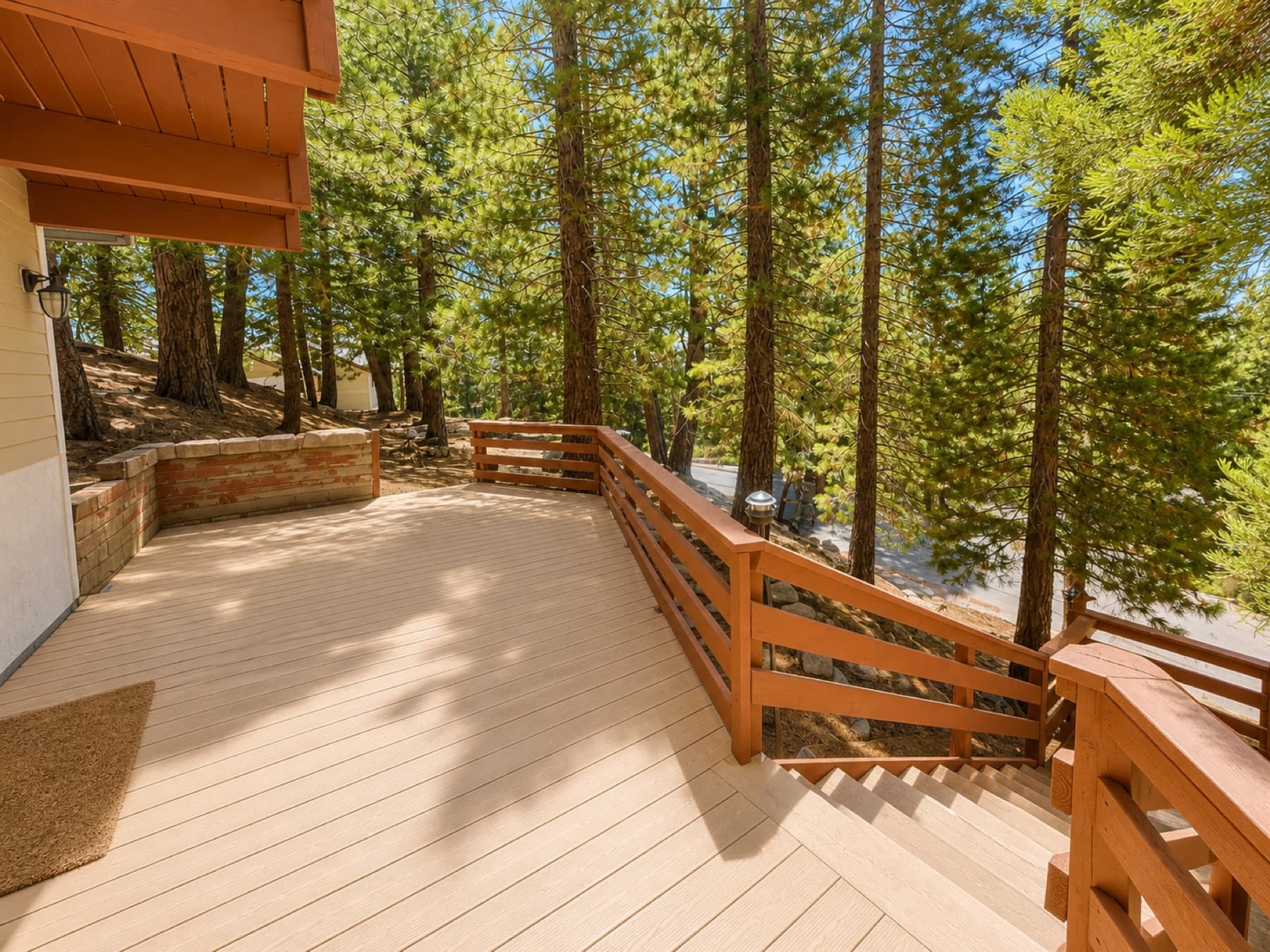
How will this property work in every season?
Direct answer: that is the question Cyndi Lamperts (DRE #02187485; DRE public lookup) wishes every mountain buyer would ask before purchasing. It changes how you look at the driveway, sun, stairs, heating, parking, drainage, trees, maintenance, and access. The view and the emotional connection matter. She wants you to love owning the house after the excitement of buying it has passed.
Cyndi’s mom: do not only ask whether you love the house today. Ask whether you will still love taking care of it in winter, summer, and ten years from now. That is thinking like a mountain homeowner.
This URL is the questions people often skip. The showing walk—drainage, decks, crawl space, additions—stays on looking at a mountain property. Writing the offer stays on making an offer. Cabin systems stay on mountain home inspections. Deadlines after acceptance stay on the inspection period.
- 1
Ask how it works in every season
Cyndi wishes every buyer would ask: how will this property work for me in every season, not just on the day I am seeing it? That changes how you look at sun, driveway, stairs, heat, parking, drainage, trees, maintenance, and access. License: https://www2.dre.ca.gov/publicasp/pplinfo.asp?License_id=02187485.
- 2
Notice sun, driveway direction, uphill and downhill
Sun and shade are not automatically good or bad. Direction alone does not predict ice. Look at grade, trees, and where winter could make access harder. Walk uphill and downhill when it is safe. Diagnosing drainage or structure is not a showing job—that is https://www.cyndisellssocal.com/looking-at-a-mountain-property.
- 3
Ask where snow goes and who maintains the road
Cleared snow has to go somewhere. Do not assume the road in front of the house is maintained like the highway. Public versus private, written agreements, and snow removal belong to records—not a guess. Highway conditions: https://quickmap.dot.ca.gov/. Driveway and parking detail: https://www.cyndisellssocal.com/mountain-driveways-and-parking.
- 4
Do not guess lines or permits from the forest
Fences and landscaping are not the legal boundary. Longstanding work is not automatically permitted. If it matters, use records, survey, title, and—for many unincorporated addresses—San Bernardino County Land Use Services (https://lus.sbcounty.gov/building-safety-home/permits/) and EZOP (https://wp.sbcounty.gov/ezop/). Additions on a showing: https://www.cyndisellssocal.com/looking-at-a-mountain-property.
- 5
Ask about heat, shutoffs, vacancy, internet, and access for others
A fireplace is not whole-house heat. Learn water shutoffs when accessible. Second homes need a vacancy plan—insurance questions start with a licensed professional and https://www.insurance.ca.gov/. Test internet and cell at this address. Access for deliveries and responders is the physical road you are buying, not a promised response time. Heat systems: https://www.cyndisellssocal.com/mountain-home-inspections.
- 6
Budget the exterior, stairs, and visits at different times
There is no one forgotten expense for every cabin. Decks, finishes, roofs, trees, drainage, snow, heat, and ordinary repairs are ownership. Stairs need to fit groceries, guests, and later years. Visit at different times when practical. Do not ask an agent to characterize who lives nearby. Fair Housing applies. Cyndi is not the inspector.
Sun, driveway direction, uphill and downhill
Sun exposure is how the lot lives: which rooms and which parts of the drive get light, where ice may linger, and whether trees or terrain create shade. It is not a score. Driveway direction can matter for sun and ice, but slope, trees, and weather matter too. Do not buy a compass heading and skip the grade.
Look uphill because water, snowmelt, trees, and neighboring lots do not stop at a sketch of the line. Look downhill because foundations, decks, outlets, and extra stories often show from below. Cyndi is not diagnosing from the sidewalk. If something concerns you, that is a specialist later—not a guess at the showing. Drainage on the lot walk is still looking at a mountain property.
Trees are why people move here, and they are maintenance: limbs over roofs, proximity to structures, debris, and defensible space. Do not guess health. CAL FIRE and Ready for Wildfire. Vegetation work is not a coverage promise. California Department of Insurance.
Snow storage, who maintains the road, lines, and permits
Ask where snow goes after the drive is cleared. The first pile is easy; several storms are not. Count parking that still works. That detail lives on driveways and parking. Highway conditions and chains stay on winter access and Caltrans QuickMap. This page does not invent plow times.
Ask who maintains the road in front of the house. Public, private, or another arrangement can mean different snow removal and repair. If it is private, ask about written agreements, shared cost, and access rights. Title, escrow, and an attorney explain documents. Cyndi is not your attorney. Privacy is wonderful. Somebody still maintains the road.
In the forest it is hard to see where one lot ends. Fences are not the legal line. If a boundary matters to a fence, addition, or tree plan, use records and a survey when it is warranted. Additions and improvements: do not assume permitted because they are old. Unincorporated county records often start at San Bernardino County Land Use Services and EZ Online Permitting. Cities have their own departments. The additions chapter stays on the showing hub.
Heat, shutoffs, vacancy, internet, stairs, and the budget
Fall in love with the fireplace after you know how the rest of the house gets warm. Primary heat, which rooms it serves, and what a professional should inspect belong on mountain home inspections. Ask where the main water shutoff is while you can still learn it calmly. Cyndi’s mom: you do not want that lesson while water is going somewhere it should not.
Second-home buyers: who checks the house in a freeze or outage? Monitoring, utilities, and what a carrier requires are address-specific. Quote CDI and the insurance hub. Cyndi is not an insurance agent. If you work from the mountain, test internet and cell at this house. A neighbor is not a coverage map.
Think about deliveries and whether a steep or narrow approach is the access you are buying. That is not an emergency-response clock. Stairs: groceries, guests, winter, and later years. Exterior wood stays beautiful because someone maintains it. There is no single forgotten expense for every cabin—decks, roofs, trees, drainage, snow, heat, generators, ordinary repairs. Plan a reserve. Do not treat the mortgage as the whole cost. Cyndi does not publish a dollar figure that fits every house.
When practical, see the area at different times. For schools, safety, or who lives nearby, use your own research. An agent should not characterize a neighborhood that way. Fair Housing applies.
Questions buyers often skip
What should I notice about a mountain home's sun exposure?
Notice which parts of the home and driveway get sun, where snow or ice may linger, how much natural light reaches the interior, and whether trees or terrain create significant shade. It is not automatically good or bad. It is how the property may live through the year. Cyndi’s mom: after a storm you notice which drives get sun and which stay shaded—easy to miss on a summer afternoon.
Why should I pay attention to which direction the driveway faces?
Orientation can affect sun, shade, snow, and ice, but slope, trees, elevation, and weather also matter. Do not rely on direction alone. Stand there and look at grade, drainage, trees, and where winter could make access harder. Parking and stairs: https://www.cyndisellssocal.com/mountain-driveways-and-parking.
Why should I look uphill from the house?
What happens above a property can matter: slopes, drainage paths, retaining structures, neighboring lots, trees, and where water or snowmelt could travel. That is noticing what may deserve inspection—not diagnosing from the sidewalk. Cyndi’s mom: water and gravity do not care about property lines. Lot walk: https://www.cyndisellssocal.com/looking-at-a-mountain-property.
Why should I look downhill from the property?
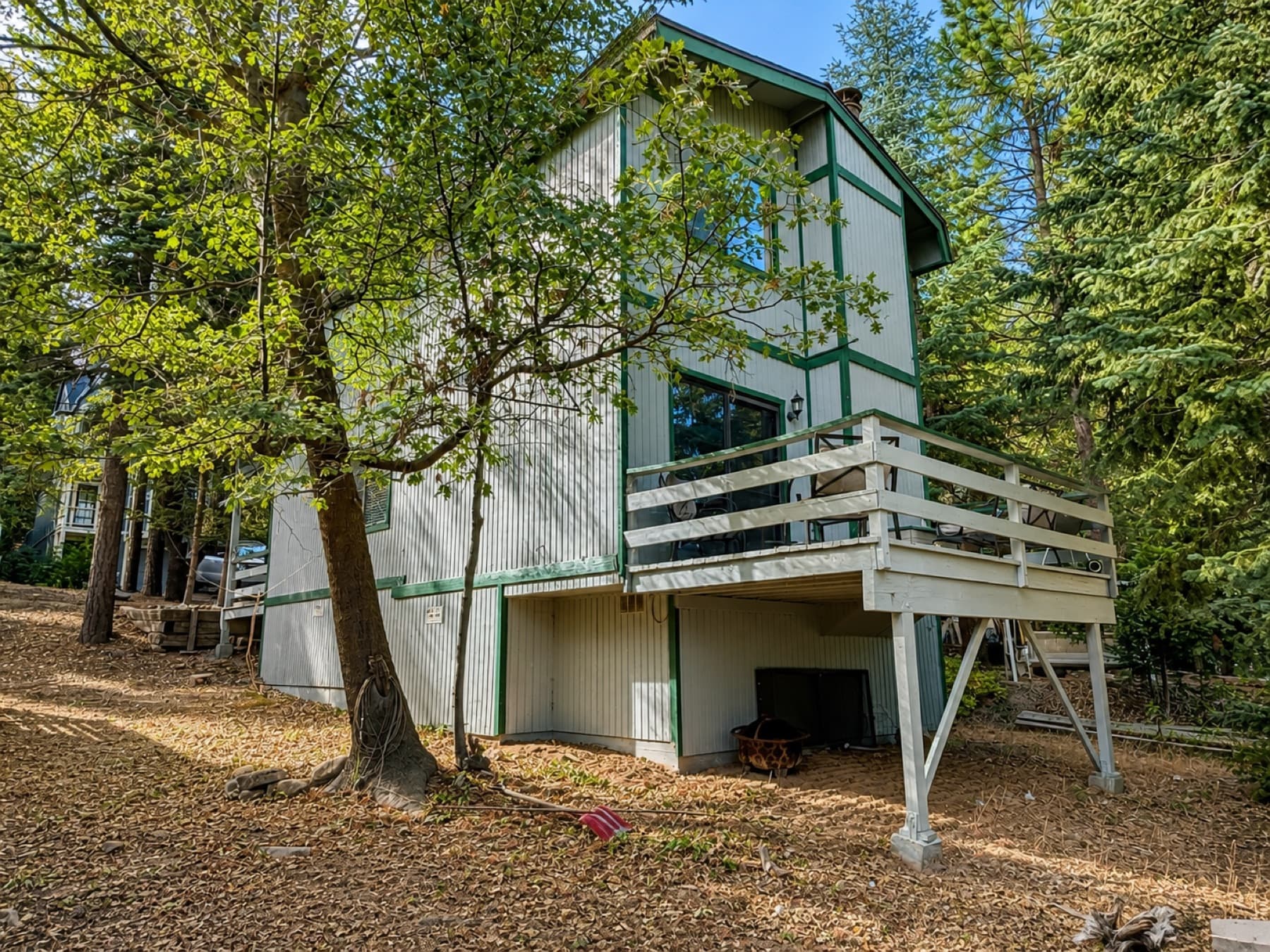
The downhill side shows how the home sits: foundations, decks, retaining structures, drainage outlets, slopes, and access for later maintenance. Some houses look like one story from the street and several from below. Walk around when it is safe. Cyndi is not the inspector.
How can trees affect a mountain home beyond the view?
Trees mean shade, privacy, and maintenance: proximity to structures, branches over roofs, dead or unhealthy-looking trees, debris, and defensible space. Do not guess tree health at a showing. CAL FIRE: https://www.fire.ca.gov/. Ready for Wildfire: https://www.readyforwildfire.org/. Vegetation work is not a promise of insurance: https://www.insurance.ca.gov/.
Why should I ask where snow gets stored after the driveway is cleared?
Cleared snow has to go somewhere. On a tight or steep lot it can affect parking, visibility, and whether the driveway still works after several storms. Ask how the property has been managed. Cyndi’s mom: the first pile is easy; later storms show why space matters. Detail: https://www.cyndisellssocal.com/mountain-driveways-and-parking. Highways: https://quickmap.dot.ca.gov/.
Why should I ask who maintains the road before I buy?
Not every mountain road is maintained the same way. Find out whether access is public, private, or another arrangement, and who is responsible for maintenance and snow removal. Do not assume the road in front of the house is handled like the main highway. Caltrans QuickMap: https://quickmap.dot.ca.gov/. Winter access: https://www.cyndisellssocal.com/mountain-winter-access.
Why should I ask about private-road agreements?
If the property relies on a private road, investigate recorded or written agreements, maintenance, costs, and access rights. Title, escrow, and appropriate legal professionals explain the documents. A secluded road can still come with shared responsibilities. Cyndi is not your attorney. Confirm her license: https://www2.dre.ca.gov/publicasp/pplinfo.asp?License_id=02187485.
Why should I ask where the property lines actually are?
Trees, slopes, and informal use make mountain boundaries hard to judge by sight. Fences, driveways, and landscaping do not necessarily establish the legal line. If a boundary matters to your plans, use records and consider a survey or other professional verification. Do not guess.
Why should I ask whether additions or improvements were permitted?
Mountain homes often evolve: decks, rooms, stairs, retaining structures, converted spaces. Records can help, but investigation depends on the property. Do not assume work is permitted because it has been there a long time. Unincorporated county: https://lus.sbcounty.gov/building-safety-home/permits/ and https://wp.sbcounty.gov/ezop/. Cities have their own departments. Showing chapter: https://www.cyndisellssocal.com/looking-at-a-mountain-property.
Why should I ask about the home's heating system before I fall in love with the fireplace?
A fireplace creates atmosphere. Buyers still need the primary heating system: type, which areas it serves, and what inspections or maintenance may be appropriate. Do not assume the fireplace heats the whole house. Systems: https://www.cyndisellssocal.com/mountain-home-inspections. Cyndi is not the inspector.
Why should I ask where the main water shutoff is?
Knowing how to shut off water matters in any home, and especially in a second home or a freeze. During due diligence, learn where important shutoffs are when accessible. After closing, keep that information somewhere you can find quickly. Timing of investigations: https://www.cyndisellssocal.com/mountain-home-inspection-period.
Why should a second-home buyer ask how the property is monitored when vacant?
A second home may sit empty during storms, freezes, or outages. Think about who can check it, monitoring if appropriate, utilities, and what an insurance provider requires or recommends. The plan depends on the house and how often you are there. Consumer insurance information: https://www.insurance.ca.gov/. Coverage page: https://www.cyndisellssocal.com/mountain-home-insurance. Cyndi is not an insurance agent.
Why should I ask about internet and cell service at the actual house?
Coverage can vary by location, terrain, provider, and even where you stand inside. If you need reliable service for work or daily life, verify options for this address and test what you can. Do not assume a neighbor’s experience is identical. This site does not publish a coverage map.
Why should I think about deliveries and emergency access before buying?
Access affects more than your own car: delivery vehicles, service professionals, and emergency responders, especially on narrow or steep roads. This is not a prediction of response times. It is the physical access you are buying. Cyndi does not invent minutes.
Why should I ask how much exterior maintenance the house requires?
Decks, stairs, railings, wood siding, and trim live in sun, moisture, snow, and temperature swings. Look past how beautiful they are. Inspections help with current condition; ownership history helps explain past care. Cyndi’s mom: wood and weather are a relationship you keep working on.
Why should I think about stairs differently in a mountain home?
Terrain often means multiple levels. Think about groceries, children, pets, guests, laundry, winter, and how mobility could change. A staircase is not automatically a problem; the floor plan has to fit how you will use the house. Level entry and parking: https://www.cyndisellssocal.com/mountain-driveways-and-parking.
Why should I visit the neighborhood at different times before buying?
When practical, different times can show traffic, lighting, noise, parking, weather exposure, and feel that one showing cannot. For safety, schools, or other regulated topics, use independent research. Do not ask an agent to characterize who lives in an area. Fair Housing applies.
What future maintenance expense do mountain buyers most often forget to budget for?
There is not one expense for every home. Buyers often under-budget ownership: decks, exterior finishes, roofs, trees, drainage, snow management, heating, generators, and ordinary repairs. Cyndi encourages a maintenance reserve instead of treating the mortgage as the full cost. She does not publish a dollar amount that fits every cabin.
What is the one question Cyndi wishes every mountain buyer would ask before purchasing?
How will this property work for me in every season, not just on the day I am seeing it? That question changes driveway, sun, stairs, heating, parking, drainage, trees, maintenance, and access. The view matters. She wants you to love owning the house after the excitement of buying it has passed. Cyndi Lamperts, DRE #02187485: https://www2.dre.ca.gov/publicasp/pplinfo.asp?License_id=02187485.
Want these questions on a specific address?
Tell Cyndi the community and how you will use the house. She will help you see the next useful question—not diagnose trees, draw property lines, or quote insurance.