
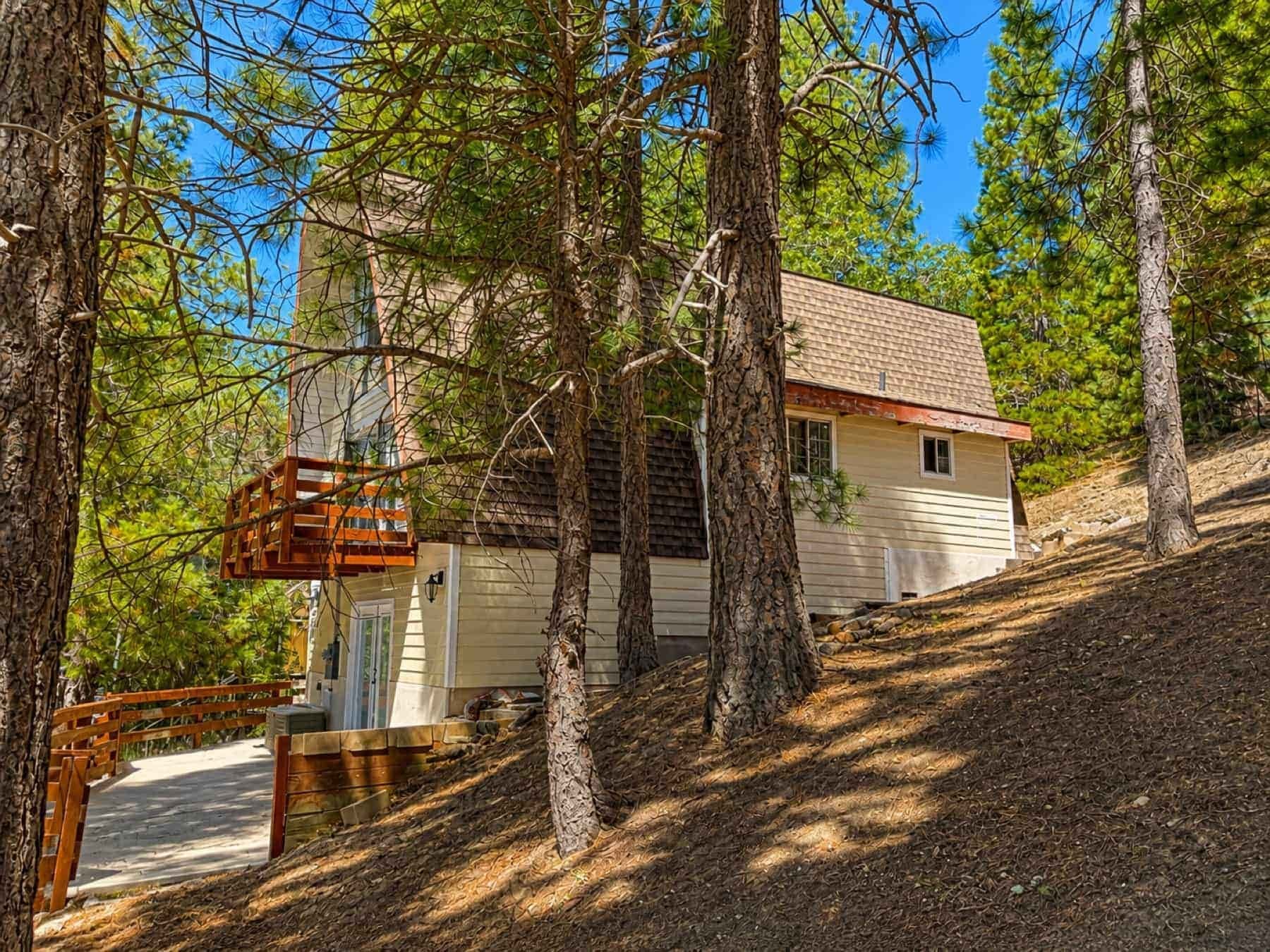
How to look at a mountain driveway
Walk the lot the way a first-time guest would. Grade, turnaround, usable parking, stairs, and where the snow will go matter as much as the kitchen. Please pause at the driveway with her. She treats parking as part of the house.
This page is mountain-wide: Lake Arrowhead, Running Springs, Crestline, Big Bear, and nearby Rim communities. Town-specific winter living stays on living in Running Springs, living in Lake Arrowhead, living in Big Bear, and living in Crestline. Highway chain controls live on winter access. Supplies, pipes, outages, and snow on the deck or roof live on winter and storm prep. Confirm Cyndi’s license on the California Department of Real Estate lookup. She is a REALTOR® (DRE #02187485) with Mountain Top Producers Realty.
- 1
Start before the front door
Look at the road, driveway, parking, slope, stairs, and how the house sits on the lot. Picture arriving with groceries, guests, or gear.
- 2
Read the driveway, not only the grade
Notice surface, width, approach, turning room, and whether you can get in and out in more than one season. A pretty kitchen still leaves you living with the driveway.
- 3
Count parking that actually works
Count spaces you can really use, including a patch that only looks like parking in a photo. Think about your household, your visitors, and whether snow would shrink what you have. Parking can be hard to add on a sloped lot.
- 4
Walk the stairs as if it were January
Count them. Picture bags, kids, pets, and ice. Level entry can feel even more welcome once you have walked the stairs.
- 5
Ask where snow will go
Cleared snow needs a place to sit. Piling it can block parking or drainage. A plow can leave a berm across the entrance; that berm is usually the owner’s job, not the county’s.
- 6
Pause before you give up a garage
A converted garage can look like extra living space. In the mountains, covered parking and storage are often part of how the house lives. It helps to verify how the space is represented in records.
The winter driveway, along with the summer one
Cyndi’s mom: a driveway can look completely different after your first winter. Today’s drive is a lovely start. It also helps to ask whether you want to live with it year after year. Check roads on Caltrans QuickMap before a storm showing.
Picture the winter driveway
A steep driveway may barely register in July. Snow, ice, shade, and where you park if you cannot get up it are the real test. A steep driveway can still be a home you want.
Turnaround and approach
Backing onto a mountain road in a storm feels different from parking at a suburban curb. Look for a place where you can turn around on the lot.
Level entry versus stairs
The listing photo rarely counts the steps. Walk them with a little care. Visitors, and you a few winters from now, will live with that number.
Trees, walls, and drainage
Trees near the drive, retaining walls, and where water runs off the driveway belong in the same gentle look as parking. She will help you see what still needs a professional.
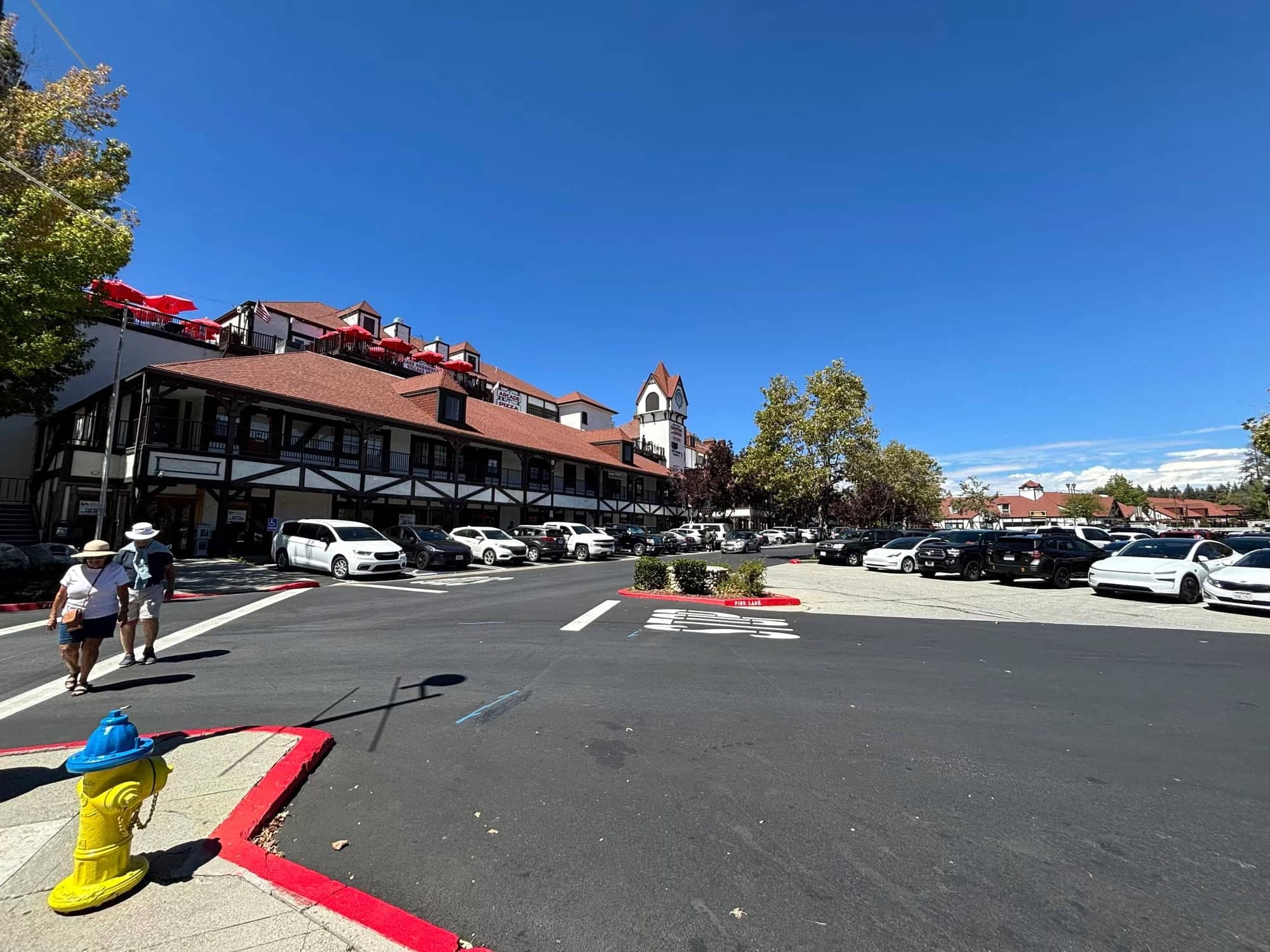
Stairs, level entry, and the choices that stay with you
Count the steps. Picture groceries, luggage, and a little ice. Level entry can feel even more welcome once you have walked the stairs. A converted garage can look like extra living space, and it can also be the covered parking you miss after a storm. It helps to verify the records before you count the square footage.
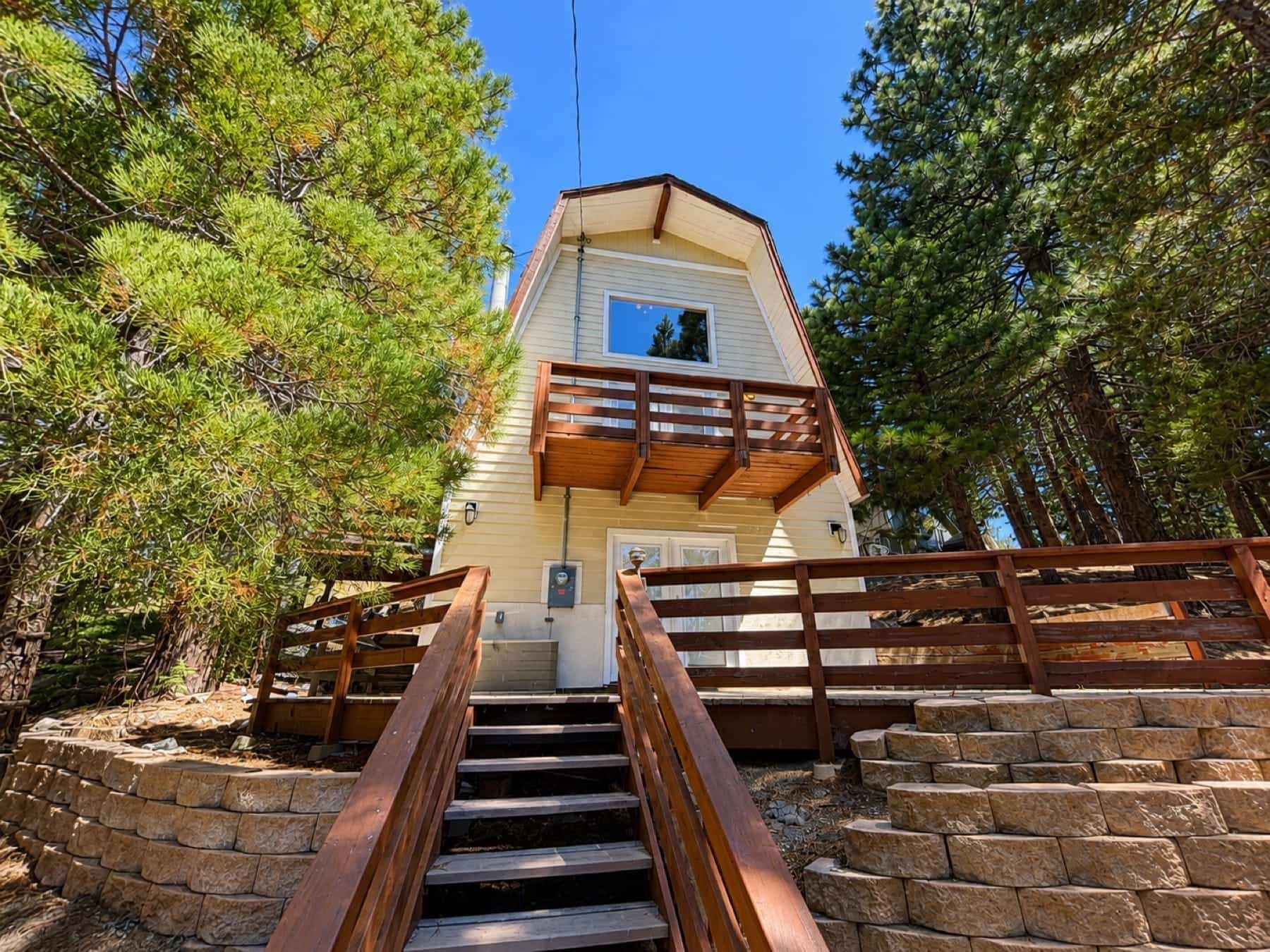
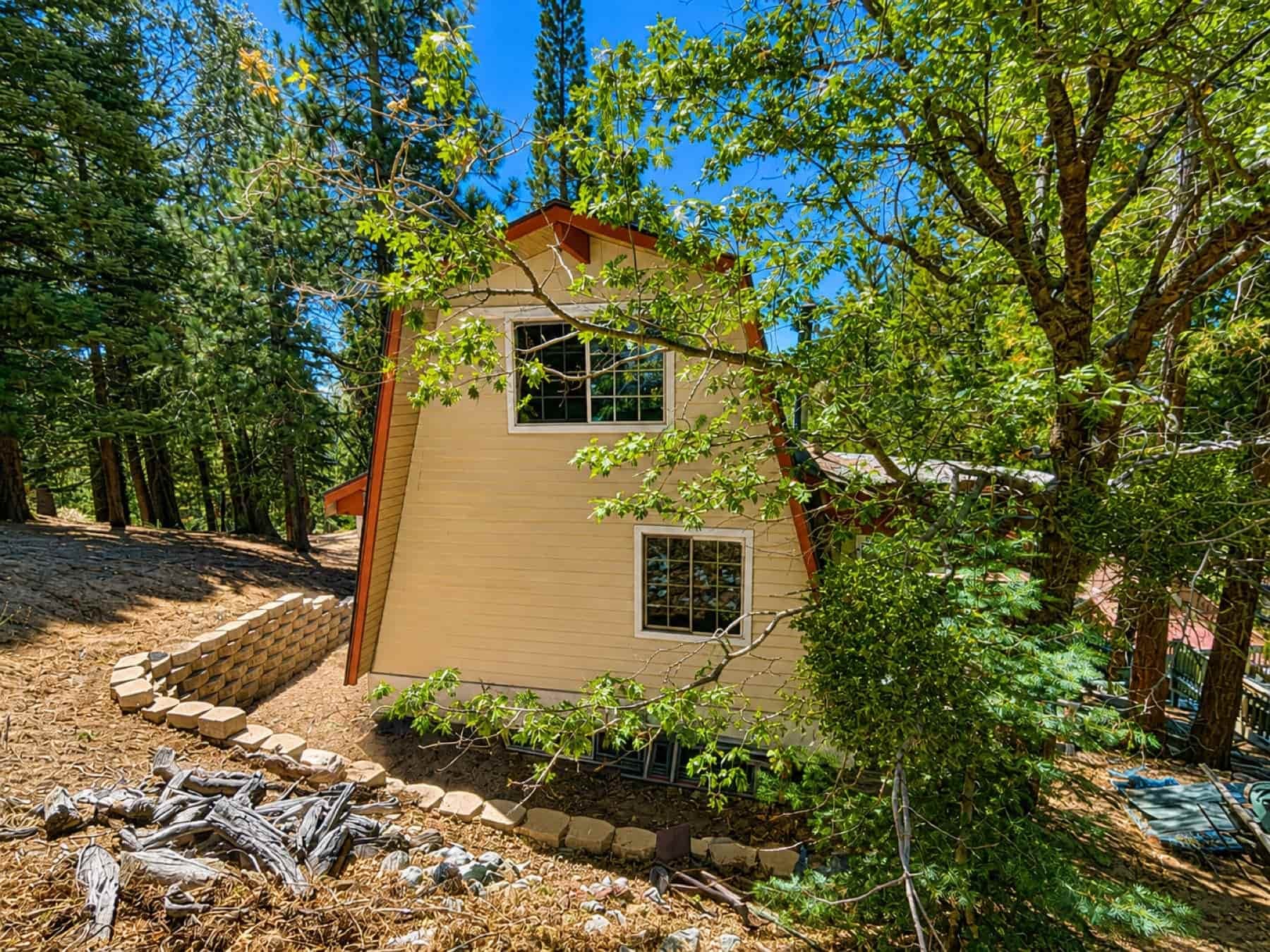
A single-story floor plan and a level lot are a separate search from the steps at the door. That guide is single-story and level-lot mountain homes. If you are choosing the house for the years ahead, stairs, snow, and the driveway are on retiring to the mountains. Buyers coming from Orange County often use the Orange County buyer’s guide. For drainage, decks, crawl space, and additions on the same showing, see looking at a mountain property. RV parking, a boat, a fence, or a garage you still hope to build is what you can do with the lot. Sellers pricing access and parking should start with Sell Your Mountain Home.
Mountain driveway and parking FAQ
A few gentle answers for showing day. Walking that lot still tells you the most. Quote Caltrans, DRE, CAL FIRE, and CDI where those agencies own the rule.
What should I look at on a mountain driveway?
Grade, surface, width, approach, turning room, usable parking, and how you will carry things to the door. Then imagine winter. Cyndi Lamperts (DRE #02187485) looks at driveways on showings. Confirm her license at DRE license lookup.
Why does parking matter so much on a mountain lot?
Usable parking is often limited by slope, trees, and the road. Snow can reduce what you counted in summer. Adding parking later can be difficult or expensive. Count spaces that actually work for your household and guests.
Is a steep driveway a reason not to buy?
It can still be a home you want. Cyndi wants you buying the winter driveway along with the summer one: sun, ice, snow storage, and a backup place to park if you cannot get up it.
Who clears a homeowner’s driveway?
Usually the owner: shovel, blower, or a hired service. If you live in Orange County when a storm hits, it helps to plan who clears it before you drive up. Please keep the snow you clear off the roadway, so the road stays open for everyone. County plow rules: county snow information.
What is a snow berm?
A ridge of snow a plow can leave across a driveway entrance while clearing the road. San Bernardino County snow information treats berms as a homeowner responsibility: county snow information. Check current Caltrans conditions at Caltrans QuickMap before you travel.
Should I look for level-entry mountain homes?
If stairs will be hard with groceries, guests, or winter ice, yes. Count the steps on the showing. Level entry is a property feature, not a town-wide promise.
Does a converted garage help or hurt?
It can add indoor space and remove covered parking. Ask how the conversion is represented in records and whether you would rather have the garage after a storm.
Do I need four-wheel drive for a steep driveway?
Traction helps many households. Four-wheel drive still leaves ice and posted chain controls to respect. Learn current Caltrans chain rules at Caltrans chain controls before a storm. The winter-access hub has the highway sources.
Talk through the driveway when you are ready
Tell Cyndi the address, how you will use the house, and what you already noticed about parking and stairs. She will help you find the next useful question.