
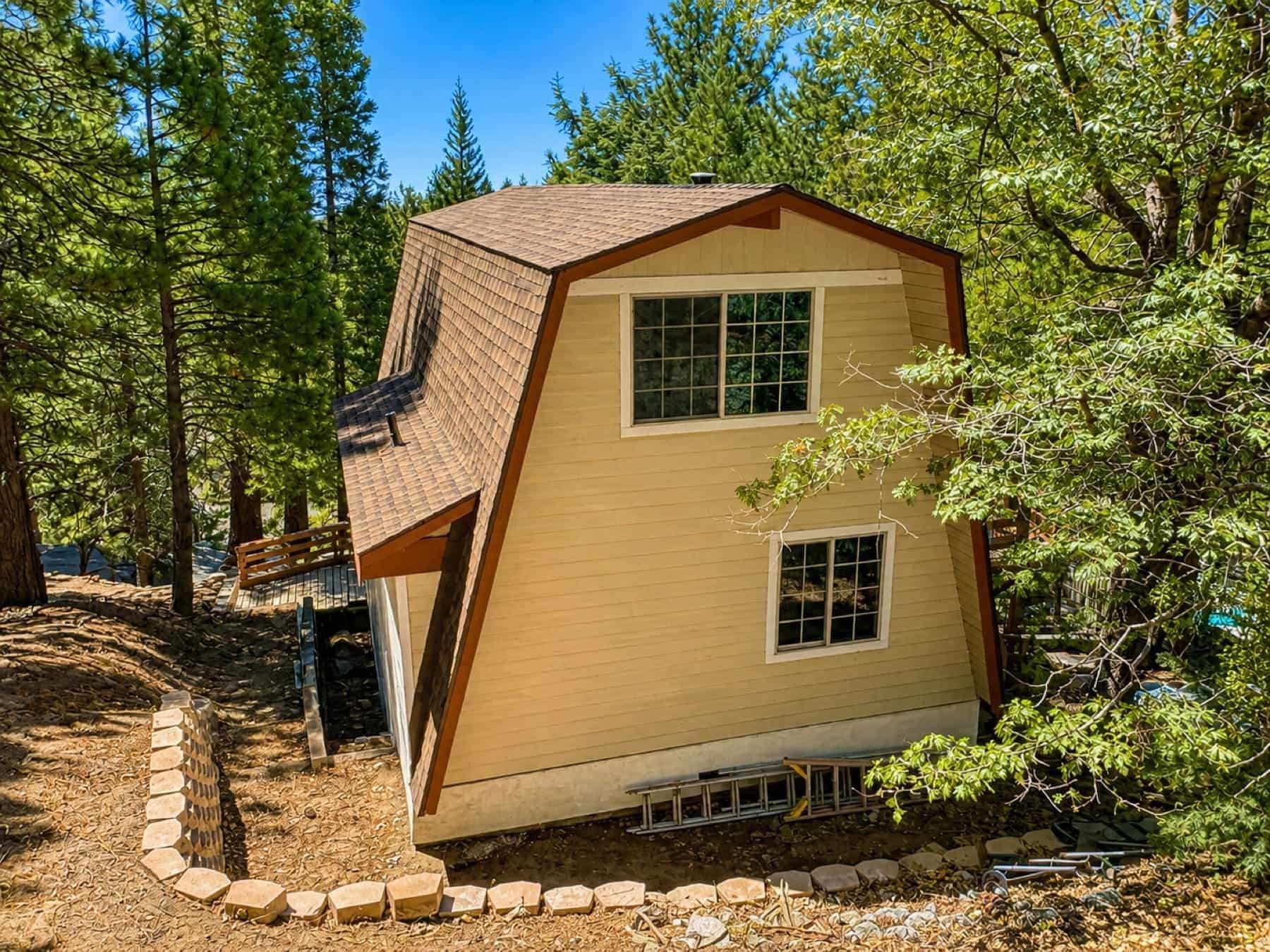
Your inspector checks the systems
Mountain homes deal with drainage, moisture, decks, roofs, trees, retaining walls, foundations, plumbing, heating, and snow in ways a typical down-the-hill house may not. Look past the fireplace and hire the right inspections. Confirm Cyndi’s license on the DRE lookup. She is a REALTOR® (DRE #02187485) with Mountain Top Producers Realty.
The showing walk-through — where water goes, decks, crawl space, additions — is looking at a mountain property. Driveway and stairs: driveways and parking. This page is systems, older cabins, and specialists. Waiving an inspection to win a bidding war belongs on making an offer. Contract deadlines, disclosures, and deciding from findings belong on the inspection period. That page holds the next chapter. She wants mountain homes to feel welcoming, and she wants you to understand them.
- 1
Line up the inspector
She notices enough to know when a qualified professional should answer. Cyndi helps you line one up. A California real estate license is issued by DRE (California DRE). Confirm Cyndi Lamperts, DRE #02187485: DRE license lookup.
- 2
Walk the lot, then hire the right inspections
Drainage, decks, crawl space, and additions on a showing are covered at looking at a mountain property. Driveway and stairs: driveways and parking. A general inspection is a start. The house may also need roof, chimney, pest, septic, sewer, well, or other specialists.
- 3
Ask about utilities at this address
A nearby house may have natural gas, sewer, or district water. This address may have its own story. Ask how this property is heated, whether propane is owned or leased, how water arrives, and whether wastewater is sewer or septic.
- 4
Let stains and smells stay questions
A musty odor, staining, or a mark on a wall is a reason to look a little further. Mold is a question for the right professional. Let that person evaluate moisture and environmental concerns.
- 5
If you are buying the fireplace, inspect the fireplace
A beautiful fireplace still deserves a closer look. Chimneys, wood stoves, venting, and related systems belong to qualified professionals. Trees and vegetation around chimneys are also wildfire-preparation questions. CAL FIRE (CAL FIRE) and Ready for Wildfire (Ready for Wildfire) share that guidance.
- 6
Plan for empty weeks and outages if this is a second home
Know shutoffs, how the house is heated, and winterization for that plumbing system. A backup generator deserves a proper setup. Sizing, ventilation, fuel, and electrical connections need qualified installers.
Older cabins and the questions they invite
First, enjoy the character. Then ask about electrical, plumbing, heating, windows, insulation, moisture, foundations, roofs, and previous alterations. Years of additions from different owners are common. Cyndi’s mom: let the charm stay, and keep asking questions. Some of the prettiest things about an old cabin can make you fall in love before you have looked at everything else.
Water stains, soft or damaged-looking wood, cracks, a deck that looks tired, strong musty odors, standing water, drainage toward the house, large trees that concern you, an unusual slope or retaining wall, or repairs you do not understand — those are reasons to bring someone qualified. Snow-exposed roofs, gutters, decks, railings, stairs, and trees deserve closer inspection. A sloped foundation can look unfamiliar to an Orange County buyer and still be right for the hill. Decades of standing are a sweet history, and they still leave room for a careful look.
Older cabins
Character can be expensive to recreate. Age still means electrical, plumbing, heat, windows, insulation, moisture, foundation, roof, and prior alterations deserve questions. An older cabin can be wonderful. An updated house still deserves the same gentle questions.
Heat, propane, and gas
Heating is essential, especially if the house sits empty. Propane: tank owned or leased, location, service, and clearance. Natural gas: verify the address. Each home has its own utilities.
Water and wastewater
District water, a well, sewer, or septic are different purchases. Visible sewage, exposed components, or drainage problems are reasons for a qualified evaluation.
Moisture, pests, and wood
Shade, snow, rain, and terrain influence moisture. Rodents and wildlife belong outside. The house is for you. Damaged wood deserves a careful look before anyone names the cause.
Heat, propane, water, septic, and wells
Heating is essential. Know the type, condition, and how well it serves the house. If this is a vacation home, ask what happens when you are away and temperatures drop. A sweet cabin feels even sweeter when the heat is ready for winter.
Some properties use propane. Ask which appliances, whether the tank is owned or leased, where it sits, and who services it. Clearance around tanks is a wildfire consideration. See CAL FIRE. A nearby house may have natural gas. This address may have its own story. Verify it.
Water and wastewater are the same rule: identify how this property is served. Sewer and septic are different purchases. A well is a different conversation from a water district. Ask for records, known maintenance, and the inspections that fit. The address-by-address questions are on septic, wells, and utilities. Frozen pipes matter more when a second home sits empty. Know shutoffs, heat, and winterization for that plumbing. Insulation and single-pane windows affect winter comfort. They can still be part of a house you love.
Fireplaces, chimneys, and wood stoves
If you are buying the mountain fireplace experience, the chimney is part of that experience. A beautiful fireplace still deserves a professional look before the first fire. Ask about maintenance. Have fireplaces, chimneys, wood stoves, venting, and clearances evaluated by qualified professionals when appropriate. Trees and vegetation around chimneys are wildfire preparation. California fire-safety guidance treats roofs as part of home hardening against embers. Please read Ready for Wildfire. Which roof type fits is a question for a roofer looking at that house.
Under a deck, if you can safely see: supports, connections, wood, moisture, drainage, and what is stored there. Current California defensible-space guidance includes clearing flammable vegetation and materials from beneath decks, balconies, and stairs. Details of the lot walk stay on looking at a mountain property. Day-to-day decks, trees, and drainage after you own the house are on mountain home maintenance. Fireplaces, windows, and heat during a remodel are on remodeling an older mountain cabin.
Moisture, mold, rodents, and wood damage
Shade, snow, rain, drainage, ventilation, and terrain influence moisture. A musty smell or stain is a reason to look a little further. A dark spot stays a question, even when someone says it is probably nothing. Use an appropriate professional.
You are buying a house where wildlife already lives. The animals belong outside. Inspectors may find rodents or other pests in attics or crawl spaces. Food, trash, and entry points matter. Mountain homes have a lot of wood. Deterioration deserves a careful look before anyone names the cause. Crawl spaces: hire the inspector, and please leave any unsafe space for them. Wood damage, termites, and rodents have their own page at wood damage, termites, and rodents.
Dead or damaged trees near the house, roof, driveway, deck, or utilities belong to a tree professional. Defensible space: readyforwildfire.org. Insurance is address-specific: mountain home insurance and CDI.
Emergency access, generators, and outages
Think beyond a sunny afternoon. Snow, evacuation, road type, whether emergency vehicles can reach the area, and alternative routes all belong in the conversation. A secluded road is wonderful; access still deserves consideration. Highway conditions: winter access.
Backup power can matter for remote work or winter occupancy. A generator deserves a proper home in the house. Sizing, installation, ventilation, fuel storage, electrical connections, and safe operation matter. If one is already there, understand it and have it evaluated when appropriate.
Outages: plan heat, internet, refrigeration, lighting, and charging for how you actually use the house. Mountain living can be peaceful. A little plan means you are ready if the power blinks. Supplies, shutoffs, decks, and roofs before a storm are on winter and storm prep. Choosing a town is which mountain community.
Mountain inspection FAQ
What problems do you commonly see in mountain homes?
Drainage, moisture, decks, roofs, trees, retaining walls, foundations, plumbing, heating, snow exposure, and how the house sits on the slope. Older cabins can have years of additions from different owners. None of that automatically makes a house bad. It means look beyond the fireplace and get appropriate inspections. License: DRE license lookup.
Who checks the systems during a showing?
A qualified inspector checks the systems. Cyndi helps you line one up. Water stains, soft wood, a deck that looks tired, musty odors, standing water, drainage toward the house, concerning trees, or repairs that leave you wondering are reasons to bring someone qualified. California licenses: California DRE.
Should I be afraid of an older mountain cabin?
You can love an older cabin. Cyndi’s mom: older can mean character worth keeping. Some cabins have character that would be expensive to recreate. Have them properly inspected. Enjoy the woodwork, then keep asking about systems.
What inspections does a mountain home need?
A general inspection first, then specialists the property actually needs: roof, chimney, pest, septic or sewer, well, or others. Scope is the buyer’s choice with their inspector. The lot walk-through is looking at a mountain property.
Do mountain homes have septic or well water?
Some do, and some are on district water or sewer. Verify the address. The town name is only a hint. Ask for records, maintenance history, and the inspections appropriate to that property. The questions for water, septic, a well, and propane: septic, wells, and utilities.
Should I inspect the fireplace and chimney?
If you are buying the mountain fireplace experience, the chimney is part of that experience. A beautiful fireplace still deserves a professional look before the first fire. Ask about maintenance and have fireplaces, chimneys, and wood stoves evaluated by qualified professionals when appropriate. Wildfire preparation around chimneys: CAL FIRE and Ready for Wildfire.
Does a stain or musty smell mean mold?
A dark spot is a question, even when someone says it is probably nothing. Moisture and staining have more than one possible story. Use an appropriate professional.
What about trees, generators, and power outages?
Trees near the house, roof, driveway, and utilities may need a tree professional. Defensible space: Ready for Wildfire. A generator deserves a proper setup: sizing, ventilation, fuel, and electrical work belong to qualified people. Outages: plan heat, refrigeration, lighting, and charging for how you actually use the house. Insurance questions: California Department of Insurance and mountain home insurance.
Talk through what this house still needs inspected
Tell Cyndi the address and what already concerned you. She will help you see the next professional question.