
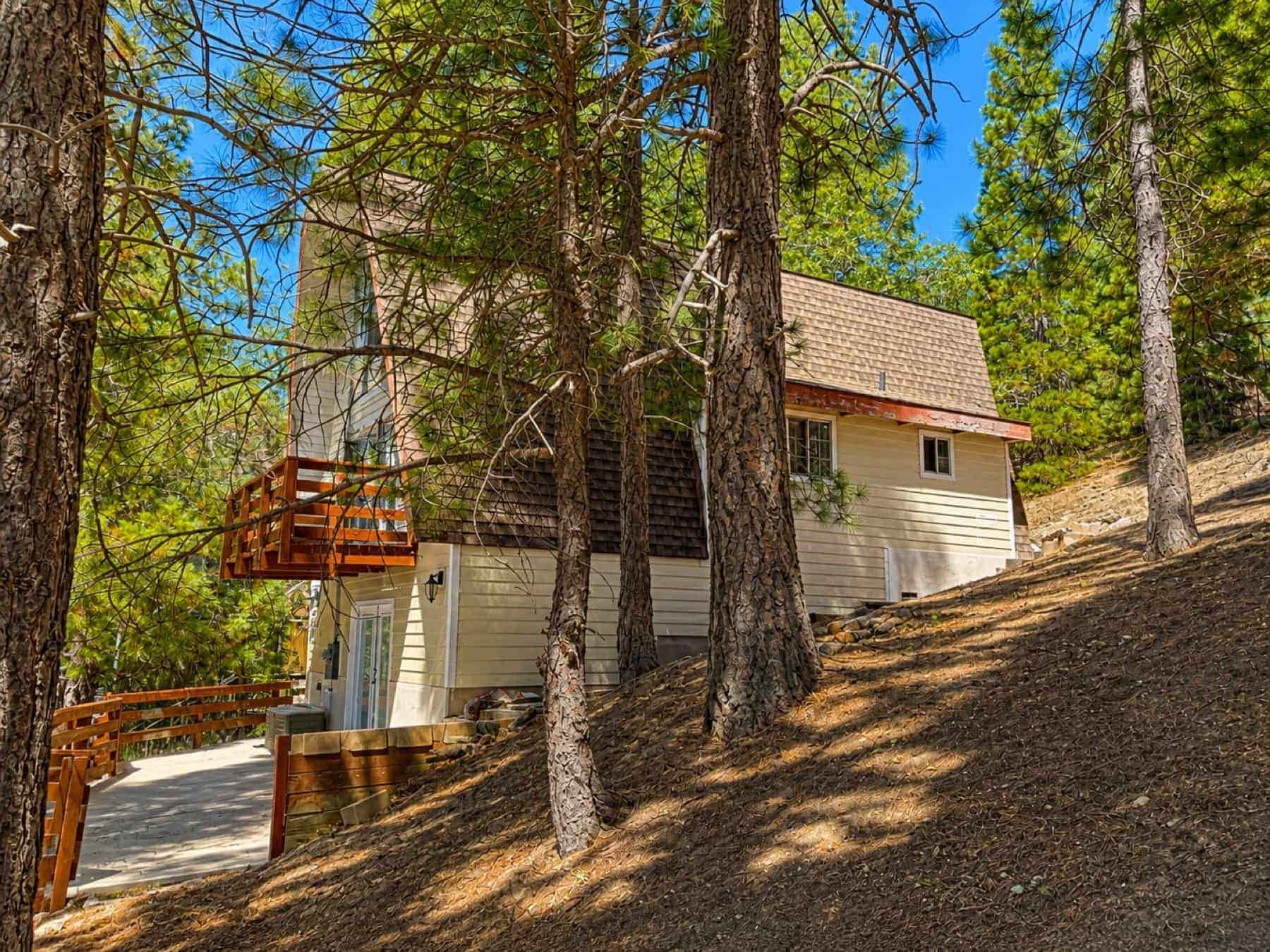
How do we decide what to offer?
Cyndi Lamperts (DRE #02187485; DRE public lookup) looks past the list price. She studies recent comparable sales, condition, location, access, parking, views, the lot, improvements, competition, and, when it is actually known, what the seller needs. The goal is an offer you are comfortable defending.
Cyndi’s mom: enjoy the excitement, and still remember everything you noticed while looking at it. The view matters. So do the driveway, deck, roof, and the rest of what you will own after you get the keys. The showing walk stays on looking at a mountain property. Parking and stairs stay on driveways and parking. Questions a showing day hides: questions mountain buyers don’t know to ask. This page is the contract conversation, not a second lot tour. Sellers reading counters and escrow from their side: seller offers through closing.
- 1
Price the house you walked, not the list number
A comfortable offer looks past the asking price alone. Comparables, condition, location, access, parking, views, lot, and how similar mountain homes have been selling matter. The house next door can share a fence and still be a different kind of house.
- 2
Keep what you noticed on the showing
The view is part of the decision. So are the driveway, the deck, the roof, and everything else you will own after you get the keys. The lot walk is in looking at a mountain property, and parking and stairs are in driveways and parking.
- 3
Let repair dollars wait for a professional
Deferred maintenance, an older roof, or a tired deck can affect risk. A showing is a sweet visit. A contractor bid can wait for the right professional. Inspections and qualified professionals come next: mountain home inspections.
- 4
Build terms, not only a number
In multiple offers, price matters and so do financing, deposit, contingencies, and timing. Cyndi’s goal is the strongest offer you are comfortable making. Sometimes the kinder choice is to let this house go.
- 5
Understand contingencies and the deposit before you sign
Inspection, financing, appraisal, and other conditions depend on the actual contract. Insurance can be a practical mountain issue; quote the address with a licensed agent (California Department of Insurance). Loans and a lower appraisal: financing a mountain home. An earnest-money deposit follows the contract.
- 6
Read the whole counter with care
A seller counter can change price, timing, or other terms. Focus on the complete transaction. Personal letters can share details that belong outside a housing decision. Confirm Cyndi Lamperts (DRE #02187485) at DRE license lookup.
Mountain comps look at the house itself
Comparable sales show what buyers paid for similar properties. In these communities, similar is the hard word. Two houses with the same square footage can have different views, parking, access, lots, condition, or architecture. The house next door can still be a poor comparable: level entry versus stairs, sun versus shade, a usable lot versus a steep leftover, a garage versus street parking.
Cyndi’s mom: you can stand between two mountain houses and see how different they are. One gets more sun. One has easier parking. One sits differently on the hill. That is part of living here, and part of pricing an offer.
Comparables that actually compare
Square footage is a starting point. Views, parking, access, lot, condition, and architecture can make two nearby houses different products.
View
A view can change buyer interest. The dollar amount is unique to the house. Quality, which rooms enjoy it, and outdoor living matter. A view comes with the land, and it stays with the land.
Parking, level entry, garage
Winter usability, guests, groceries, and stairs between the car and the door show up after the sunny showing. The fuller story stays on the driveway hub.
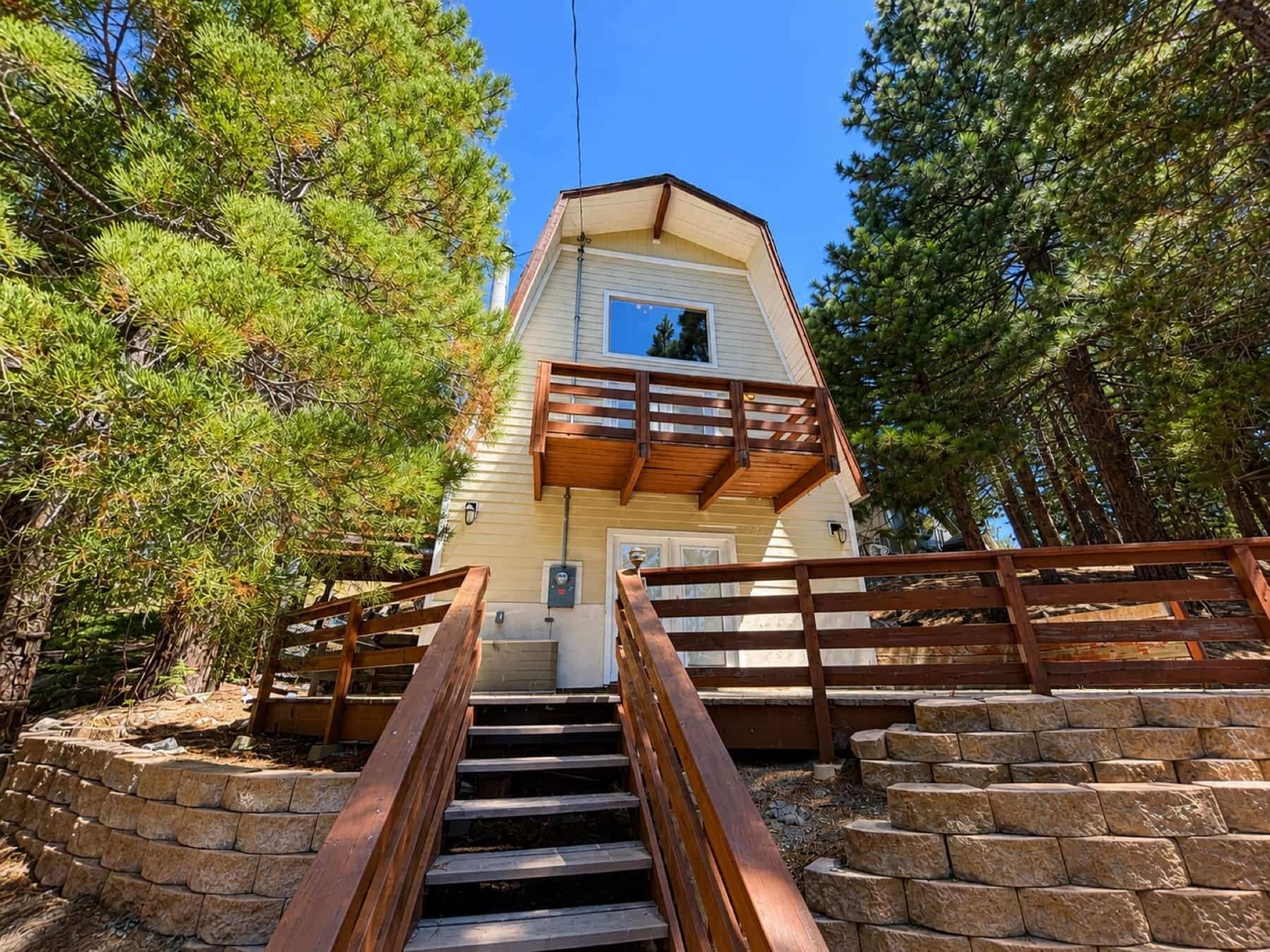
Deferred maintenance is a pattern you can see across the house. A deck that needs work can still be a house you love, once a real number replaces a guess from the railing. An older roof can still be part of a yes. Get the system evaluated. Then put the information next to price, insurance, and the rest of the house. California Department of Insurance is the consumer source for coverage questions.
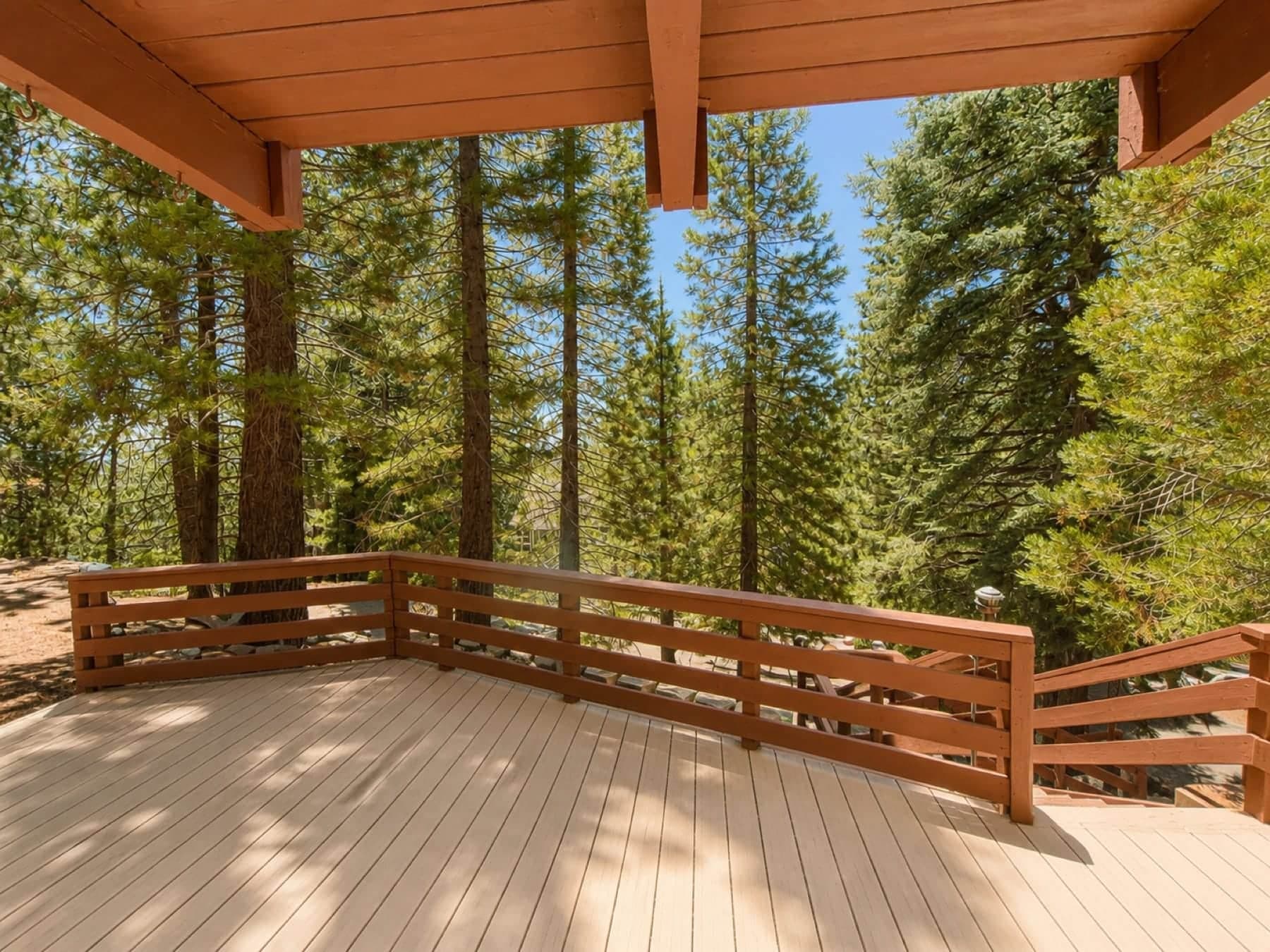
Price is not the whole offer
When there are multiple offers, financing, deposit, contingencies, and timing can matter as much as the number. Cyndi’s hope is the strongest offer you feel comfortable making, with the protections that matter to you still in place.
An inspection contingency can be important on a mountain house. Roofs, decks, drainage, foundations, retaining walls, plumbing, and heat are not always obvious on a showing. If you are considering changing or waiving contractual protections, get appropriate professional advice. If fear of losing the house is pulling you, pause and talk it through before you give a protection up. What those inspections look at lives on mountain home inspections. After acceptance, deadlines and what you do with findings live on the inspection period. That page holds the next chapter.
Common contract conditions can include inspections and investigations, financing, appraisal, and others that apply to that deal. Insurance can become a practical mountain issue. Quote the address early with a licensed agent. Go through the actual contract and deadlines. An earnest-money deposit is money deposited under that contract. Amount, deadline, and what happens if someone cancels depend on the paperwork. A percentage, or a promise that you always get it back, would be a guess. Confirm licenses at dre.ca.gov.
Counters, timing, and how Cyndi structures an offer
A seller counter proposes changes to your offer. That can be price, timing, or other terms. Read the entire counter. You may accept, reject, or, where appropriate, respond with another proposal. Negotiations can go back and forth until there is a deal or someone stops. Read every changed term along with the number.
Every seller has their own pace. An offer can include an expiration. Cyndi will explain the timing in that offer. Silence leaves the question open. A yes and a no both need words.
She starts with you: what this property is worth to you, what financing allows, what risk you will accept, which protections matter. Then comps, condition, market activity, competition when known, timing, and the seller’s stated terms. Getting an accepted offer is exciting. Getting the right property under terms you understand is more important.
Personal letters to sellers
Buyers sometimes think a personal letter will help the offer stand out. Those letters can raise Fair Housing concerns if they reveal personal characteristics that belong outside a housing decision. Cyndi prefers the legitimate strengths of the offer: price, terms, timing, and certainty, along with current brokerage, legal, and Fair Housing guidance. Let the offer speak kindly through those strengths.
Orange County buyers often start with buying from Orange County. Town lifestyle stays on the living pages. Lake Arrowhead lake facts stay on homes with lake rights. Verify before you write, and let the town name stay a hint.
Making-an-offer FAQ
How do we decide what to offer on a mountain home?
Let the list price be one clue. Look at recent comparable sales, condition, location, access, parking, views, lot, improvements, and how similar homes have been selling. Mountain properties can differ even when they are close together. Cyndi Lamperts (DRE #02187485; DRE license lookup) wants an offer you can feel good about, financially and emotionally.
How do comparable sales work in mountain communities?
Comps show what buyers recently paid for similar properties. Similarity is the heart of a good comp. Two homes with similar square footage may have different views, parking, access, lots, condition, or architecture. Cyndi treats every mountain house as its own story.
Why might the house next door not be a good comparable?
Sharing a property line still leaves room for two different houses. One may have level entry and a garage; the other several flights of stairs. Sun, parking, usable lot, renovations, and access can all differ. Proximity matters. Similarity matters more.
How can a view, parking, level entry, or a garage affect value?
They can change who wants the house. A view has its own value on that house. Parking needs to feel workable in winter, and on a dry showing too. Level entry can matter for groceries, snow, and long-term use. A garage is parking, storage, and weather protection. The whole house still deserves a look. Walk the lot at looking at a mountain property and the driveway at driveways and parking.
How should deferred maintenance, a bad deck, or an older roof affect an offer?
They can affect price and risk. Let repair costs wait for a real look. Get the deck, roof, or other systems evaluated by qualified professionals. Then decide whether the price still feels right. Systems: mountain home inspections. Insurance consumer information: California Department of Insurance.
How can buyers compete when there are multiple offers?
Price matters. So do financing strength, deposit, contingencies, timing, and other terms. Cyndi wants the strongest offer you feel comfortable making, with the protections that matter to you still in place. Sometimes the kinder choice is to let this house go.
Should I waive an inspection contingency to win a mountain house?
An inspection contingency can be important protection. Mountain houses can have roof, deck, drainage, foundation, retaining-wall, plumbing, and heating questions that a showing leaves for later. Changing or waiving contractual protections has consequences. Get appropriate professional advice. Cyndi hopes you will keep that protection when fear of losing the house is the only reason to give it up. License lookup: California DRE.
What contingencies should mountain buyers understand?
They depend on the contract. Buyers commonly need to understand inspection and investigation, financing, appraisal, and other applicable conditions. Insurance can be a practical mountain issue. Quote the address with a licensed agent and start at California Department of Insurance. Go through the actual contract and deadlines. A general article can sit beside that paperwork.
What is an earnest-money deposit, and when is it at risk?
It is money deposited under the purchase contract as part of the transaction. Amount, deadline, and conditions belong in that contract. Whether a deposit is at risk depends on the contract, contingency status, and the facts of a cancellation or breach. The paperwork for that house holds the answer. Before you remove contingencies or cancel, understand your position and get legal advice when needed.
What happens when a seller counters, and can I counter back?
A counteroffer proposes changes to the original offer: price, timing, terms, or other parts. Read the entire counter. The buyer may accept, reject, or, where appropriate, respond with another proposal. Negotiations can move back and forth until there is agreement or someone stops. The complete transaction is what matters. A calm agreement is the hope.
How long does a seller have to respond to an offer?
Every deal has its own pace. The offer can include an expiration. Circumstances vary. Cyndi explains the timing in that offer and monitors communication with the listing side. Silence leaves the question open. A yes and a no both need words.
Should I write a personal letter to the seller?
Buyers sometimes hope a letter will help. Letters can raise Fair Housing concerns if they reveal personal characteristics that belong outside a housing decision. Cyndi prefers the legitimate strengths of the offer, along with current brokerage, legal, and Fair Housing guidance. Personal details can stay private.
How does Cyndi help a buyer structure an offer?
She starts with you: what the property is worth to you, what financing allows, what risk you will accept, and which protections matter. Then comparables, condition, market activity, competition when known, timing, and the seller’s stated terms. The offer is more than price. An accepted offer is exciting. The right property on terms you understand matters more.
Ready to structure an offer?
Tell Cyndi the address, how you will use the house, and what protections matter to you. This is a conversation about terms you understand, and about feeling at peace with the offer.