
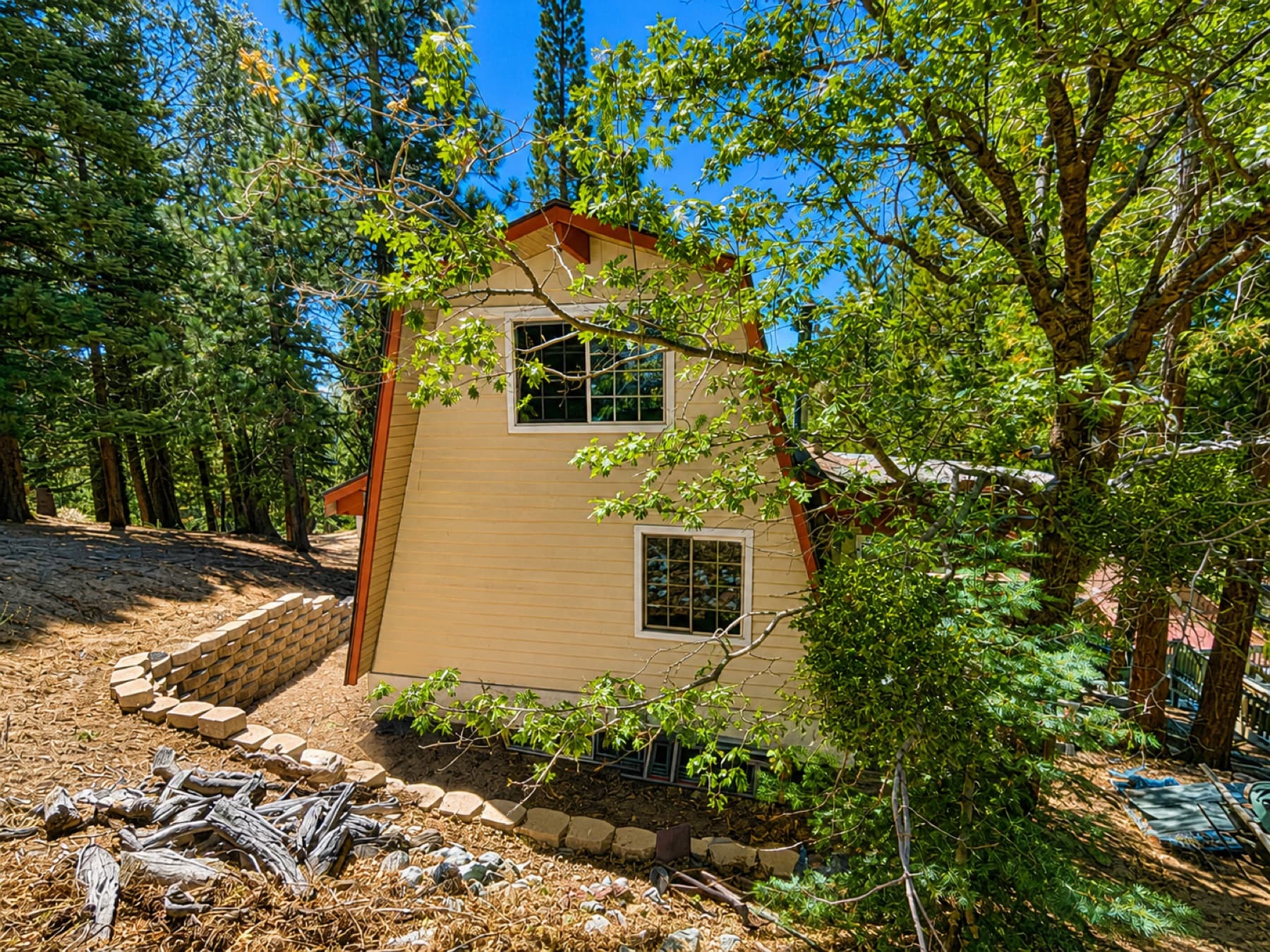
What should happen right after the offer is accepted?
Direct answer: work the calendar in the actual contract. Cyndi Lamperts (DRE #02187485; DRE public lookup) wants escrow opened, the deposit handled as agreed, financing moving, disclosures reviewed, insurance investigated, and inspections scheduled promptly. This site does not invent a statewide number of days.
Cyndi’s mom: this is when excitement can make people want to relax. It is actually when you start learning the house. Take the paperwork and inspections seriously.
Writing the offer—comps, deposit at signing, whether to waive a contingency—stays on making an offer. What heat, septic, chimneys, and older cabins need professionally is mountain home inspections. This URL is the period after acceptance: deadlines, documents, attending, and what you do with findings. Questions a pretty showing hides: questions mountain buyers don’t know to ask.
- 1
Open the contract and the calendar
Once the offer is accepted, Cyndi wants you on the actual deadlines—not internet averages. Escrow opens, the deposit is handled as agreed, financing moves, disclosures arrive, insurance should be investigated, and inspections need to be scheduled promptly.
- 2
Read every disclosure, including natural-hazard information
Do not click through. A routine-looking form can still matter. In California, buyers may receive natural-hazard disclosure identifying mapped areas such as wildfire. Review that report for this address. Wildfire maps and education: https://www.fire.ca.gov/ and https://www.readyforwildfire.org/. Insurance consumer information: https://www.insurance.ca.gov/.
- 3
Attend the inspection when you can
Reading a report later is not the same as an inspector pointing at something. Ask what they see, what they cannot see, what is maintenance, what needs prompt attention, and what needs another professional. Follow their safety rules. Cyndi is not the inspector.
- 4
Add specialists from evidence, not a menu
Do not order every specialist for every house. Follow the general inspection, disclosures, and your concerns. What those systems are is https://www.cyndisellssocal.com/mountain-home-inspections. The showing lot walk is https://www.cyndisellssocal.com/looking-at-a-mountain-property.
- 5
Decide from facts, not a scary sentence
A frightening line in a report may need a specialist before anyone knows scope or cost. Then, depending on the contract and timing, options can include more investigation, requesting repairs or credits, accepting the condition, or exercising a contractual right to cancel. Cyndi is not your attorney.
- 6
Sort the list: maintenance vs. major
Cyndi helps organize ordinary maintenance, items that need clarification, specialist questions, safety or major cost, and what matters most to you. She does not replace the inspector, contractor, or engineer. Confirm Cyndi Lamperts (DRE #02187485): https://www2.dre.ca.gov/publicasp/pplinfo.asp?License_id=02187485.
Read the disclosures. All of them.
Documents vary by deal: seller disclosures, reports, title, escrow and lender packages, inspection reports, natural-hazard information, and other property-specific material. Cyndi helps organize what comes in. She does not want buyers clicking through. A form that looks routine can still change a decision.
Pay attention to known defects, repairs, water intrusion, additions, insurance claims, access, utilities, and other conditions. Disclosures are not a substitute for inspections. Cyndi’s mom: when someone has owned a mountain house for years, storms and projects become part of the story. Read what the seller tells you.
Natural Hazard Disclosure
In California, buyers may receive natural-hazard disclosure identifying whether a property lies within certain mapped hazard areas. Mountain buyers should read it for this address. It can raise questions about wildfire, flooding, seismic conditions, and other mapped hazards. Quote current official information—not a flyer. CAL FIRE, Ready for Wildfire, and the California Geological Survey. Coverage questions: California Department of Insurance. This page does not put your lot in a zone.
On mountain history, look for water, drainage, snow or storm damage, roof and deck work, trees, retaining walls, slope, heat, plumbing, septic or sewer, additions, road or access issues, and past repairs. Not every house has those. The point is this house. Drainage on a showing is still looking at a mountain property—do not recopy that walk here.
Attend the inspection when you can
Ask the inspector what they see, what they cannot see, what is maintenance, what deserves prompt attention, and what needs another qualified professional. They are there to inspect—not to tell you whether to buy. Follow safety rules. Do not enter areas they say are unsafe. Cyndi’s mom: do not be embarrassed to ask basic questions. You may be the one maintaining the house.
Extra specialists follow evidence: the general inspection, disclosures, and your concerns—not a menu of every trade for every cabin. Roof, chimney, deck, structure, drainage, sewer or septic, trees, pest, electrical, plumbing, or heat may belong. What those systems are, and that Cyndi is not the inspector, lives on mountain home inspections.
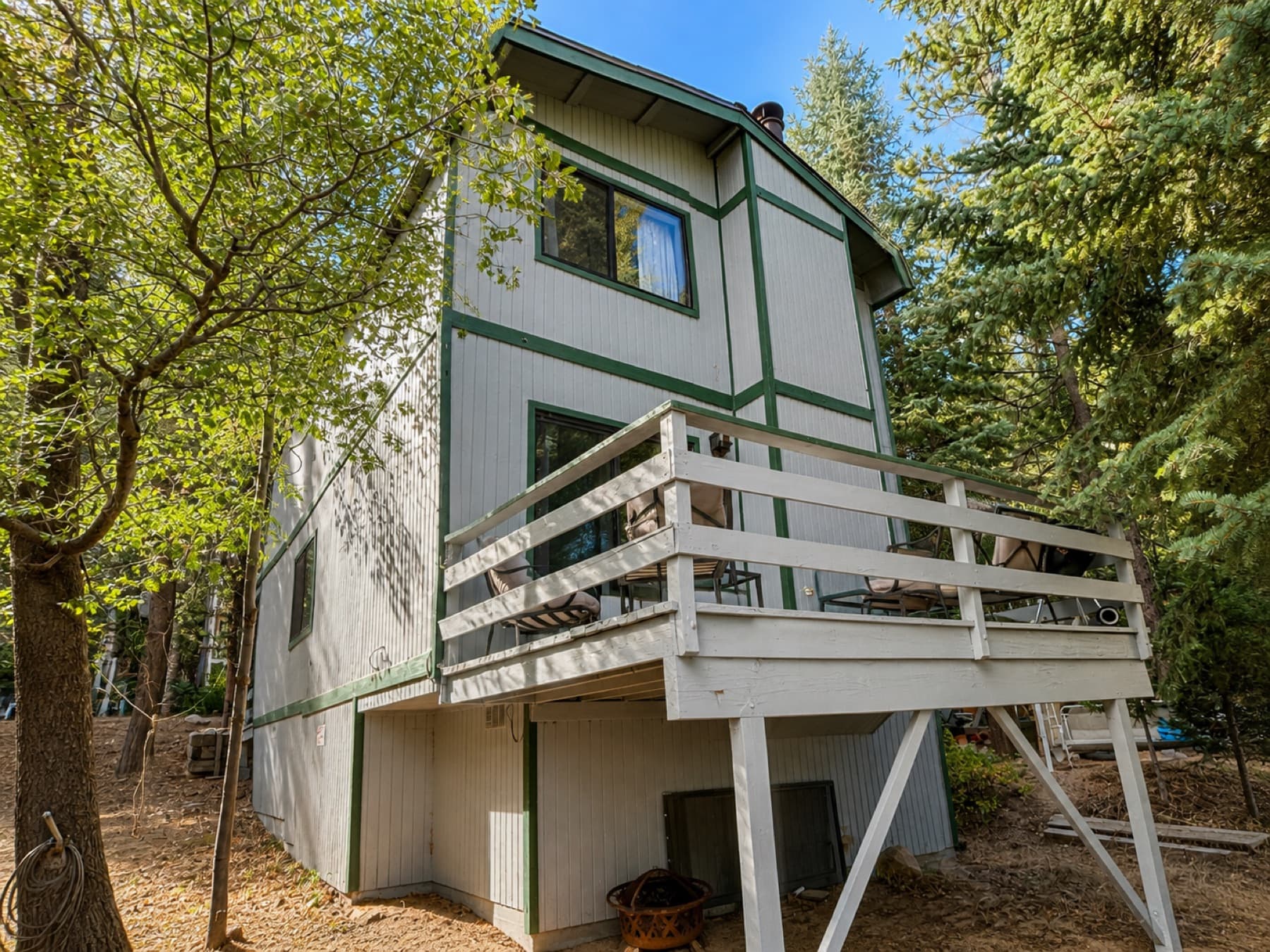
Findings: repairs, credits, or walking away
First understand what was actually found. A frightening sentence may need a specialist before anyone knows scope or cost. Then, depending on the contract and timing, a buyer may request repairs or concessions, accept the condition, investigate further, or exercise an applicable contractual right to cancel. The seller does not automatically have to agree to repairs. A credit instead of a repair may be negotiable, subject to the contract and any lender restrictions—and only if it actually addresses the expected cost.
Cyndi helps prioritize what genuinely matters instead of turning a report into a demand that every small item be changed. She will not tell you to continue only because you already spent money on inspections. She also will not tell you to abandon a good house because a report sounds scary before you understand it. Get the facts. Understand the contract. Then decide. Cyndi is not your attorney.
Cyndi’s mom: every house has something. Know whether you are looking at ordinary ownership or something much bigger than you expected. Falling in love with a house does not mean you have to ignore what you learn. There will always be another house.
She sorts the list: ordinary maintenance, items that need clarification, specialist questions, safety or major cost, and what matters most to this buyer. That is organizing the conversation—not replacing the inspector, contractor, or engineer.
Inspection-period FAQ
What should happen immediately after my offer is accepted?
Focus on the deadlines in the actual contract. Escrow is opened, the deposit is handled according to the agreement, financing moves forward, disclosures and reports are reviewed, insurance should be investigated, and inspections need to be scheduled promptly. Cyndi Lamperts (DRE #02187485; https://www2.dre.ca.gov/publicasp/pplinfo.asp?License_id=02187485) helps you see what is due and what decisions are coming. This site does not publish a standard number of days.
What documents should I expect during escrow?
They vary. Buyers may receive seller disclosures, reports, title information, escrow and lender documents, inspection reports, natural-hazard information, and other property-specific material. Do not simply click through. Organize what arrives and know when something deserves investigation or professional advice. Cyndi is not your attorney or lender.
Which seller disclosures should I read carefully?
All of them. Pay attention to known defects, repairs, water intrusion, additions, insurance claims, neighborhood or access issues, utilities, and other conditions affecting the property. Disclosures are not a substitute for inspections. License lookup: https://www.dre.ca.gov/.
What is a Natural Hazard Disclosure?
In California transactions, buyers may receive natural-hazard disclosure identifying whether a property lies within certain mapped hazard areas. Read it for the address you are buying. It can raise questions about wildfire, flooding, seismic conditions, and other mapped hazards. Quote current official maps rather than a listing remark. CAL FIRE: https://www.fire.ca.gov/. Ready for Wildfire: https://www.readyforwildfire.org/. California Geological Survey: https://www.conservation.ca.gov/cgs. This page does not assign a zone to your lot.
What mountain-specific information should I look for in disclosures?
History such as water intrusion, drainage, snow or storm damage, roof and deck work, trees, retaining walls, slope, heating, plumbing, septic or sewer, additions, road or access issues, and past repairs. Not every property has these. Understand this house. Cyndi’s mom: if there was a leak, frozen pipe, tree problem, or major repair, better to read it than discover it later.
Should I attend the home inspection, and what should I ask?
When practical, attending at least part of it is useful. Ask the inspector to explain what they see, what they cannot see, which findings are maintenance, which deserve prompt attention, and which may need another qualified professional. The inspector inspects; they do not tell you whether to buy. Follow safety rules. Do not enter areas they say are unsafe.
Do I need extra specialists during the inspection period?
Only as the property, disclosures, and general inspection show. Roof, chimney, deck, structure, drainage, sewer or septic, trees, pest, electrical, plumbing, or heat specialists are examples—not a checklist for every cabin. Scope and systems: https://www.cyndisellssocal.com/mountain-home-inspections. Cyndi is not the inspector.
What happens when an inspection finds a serious problem?
First understand what was actually found. A frightening sentence may need a specialist before anyone knows cost. Depending on the contract and timing, a buyer may request repairs or credits, accept the condition, investigate further, or exercise applicable contractual rights. Decide from evidence, not panic. Cyndi is not your attorney.
Can I ask a seller to make repairs or give a credit?
Depending on the contract and stage of the deal, a buyer may request repairs or other concessions. The seller does not automatically have to agree. A credit instead of a repair may be negotiable, subject to the contract and any lender restrictions. Understand whether a credit is allowed and whether it actually covers the expected cost. Do not turn every small report item into a demand.
When might walking away be the right decision?
If investigations reveal conditions, costs, or risks that materially change how you feel about the property, and you have an applicable contractual right to cancel, walking away can be reasonable. Do not continue only because you already spent money on inspections. Do not abandon a good house because a report sounds scary before you understand it. Get the facts, understand the contract, then decide.
How does Cyndi help organize inspection findings?
Reports can list dozens of items that are not equal. She helps sort ordinary maintenance, items that need clarification, specialist questions, safety or major cost, and what matters most to you. She does not replace the inspector, contractor, engineer, or other professional. Confirm her license: https://www2.dre.ca.gov/publicasp/pplinfo.asp?License_id=02187485.
In escrow and staring at a report?
Tell Cyndi the address and which deadline or finding is on your mind. She will help you see the next useful question—not replace the inspector or write legal advice.