
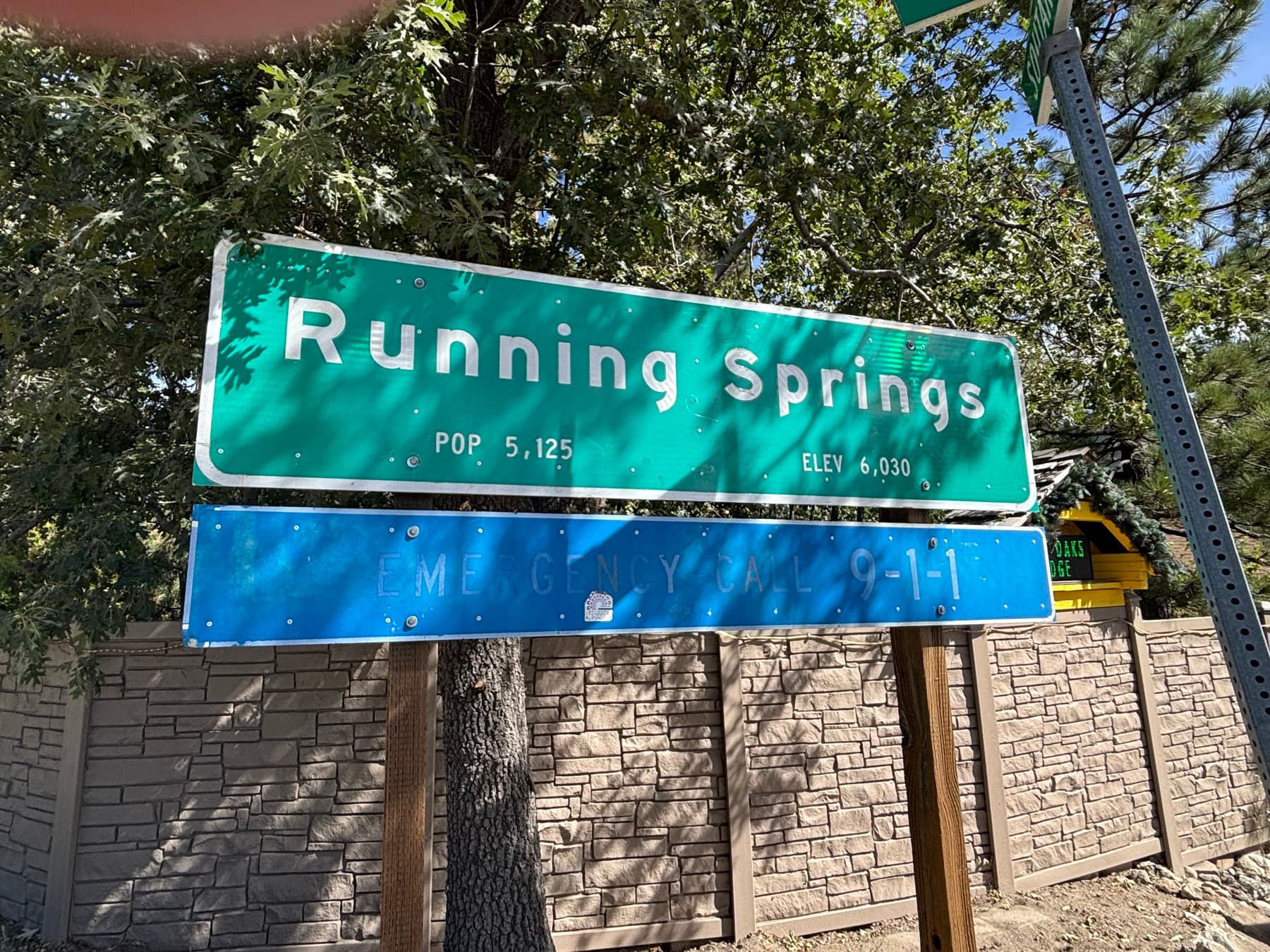
The best thing and the hardest thing
Cyndi Lamperts is a REALTOR® with Mountain Top Producers Realty in Running Springs. She helps buyers and sellers in Lake Arrowhead, Running Springs, Big Bear, and the other San Bernardino mountain communities. Call (949) 338-9308. Confirm her license on the DRE public lookup. Who she is, in one place: San Bernardino Mountains real estate agent.
The best thing about mountain living, in her words, is the lifestyle. Trees, seasons, fresh air, wildlife, and that feeling when you come up the mountain and leave the city behind.
The hardest thing is the weather. You learn pretty quickly that the mountain gets the final vote. Cyndi's mom adds the other half: you learn to prepare instead of panic.
She would also say this is home. You can travel. You can go down the hill. You can spend time at the beach or in the city. Driving back up, watching the scenery change, getting into the trees, and feeling the air change is the part that stays. The buyer path starts on buying a mountain home. If you are coming from Orange County, start with Orange County buyers.
- 1
Start with the lifestyle and the weather
The best thing is the lifestyle: trees, seasons, fresh air, wildlife, and that feeling when you come up the mountain and leave the city behind. The hardest thing is the weather. The mountain gets the final vote. Cyndi’s mom: prepare instead of panic. Cyndi Lamperts, DRE #02187485: DRE license lookup. The agent page: San Bernardino Mountains real estate agent.
- 2
Look past the living room
A common mistake is falling in love with the house before thinking about the property around it. Driveway, parking, stairs, trees, access, snow, and insurance matter too. Driveways: driveways and parking. Insurance: mountain home insurance. Questions that are easy to skip: questions mountain buyers don't know to ask.
- 3
Put a kit in the house and traction in the car
Cyndi would have every mountain homeowner keep an emergency supply kit. Her mom would add a good snow shovel, bought before the storm. The car needs proper traction equipment when conditions require it, and practice before you are standing on a snowy road. Chain controls: Caltrans chain controls. Highway conditions: Caltrans QuickMap. Winter access: winter access. The house before a storm: winter storm prep.
- 4
Decide the garage, the power, the vehicle, and the entry
A garage can feel much closer to a necessity after the first big snowstorm. Some buyers still choose the location and skip the garage. Backup power is worth considering when an outage would be a serious problem. Four-wheel drive helps, and winter driving skill still matters. Level entry matters more than many buyers expect. Single-story and level lots: single-story mountain homes. The search: buying a mountain home.
- 5
Learn the place, then slow down
Learn how people live here. Learn the weather. Meet your neighbors. Explore the communities. Be prepared. Then slow down enough to enjoy why you moved. The community chooser: which mountain community. County snow information: county snow information.
One mistake new buyers make
Falling in love with the house before thinking about the property around it. Driveway. Parking. Stairs. Trees. Access. Snow. Insurance. Those things matter too.
The driveway and the parking are on driveways and parking. Trees and the deck are on mountain home maintenance. The quote for that address is on mountain home insurance. The questions a pretty afternoon hides are on questions mountain buyers don't know to ask.
What every homeowner and every car should have
Cyndi would say an emergency supply kit. Mountain living rewards preparation. Cyndi's mom would add a good snow shovel, and she would want it in the house before the storm arrives.
Every car should have proper traction equipment when conditions require it. Know how to use it before you are standing alongside a snowy road. The rules live with Caltrans on chain controls and QuickMap. The mountain guide is winter access. What to have inside the house before a storm stays on winter storm prep.
Prepare before winter weather arrives
Think about essential supplies, prescriptions, lighting, a way to charge devices, warm clothing, and arrangements for snow removal. Have a qualified professional evaluate heating equipment when that evaluation is needed.
When a storm is forecast, check official weather and road information, adjust travel that can wait, and review the household’s supplies and contacts. Plan property access and safe heating before conditions get worse. Weather: weather.gov. Roads stay on winter access.
The lesson for a buyer is to understand the home’s vulnerabilities ahead of time. Ask how access is maintained, who can help locally, and what the household would do if transportation or utilities were interrupted. Scenic drives can be part of life here. Choose the route and the stopping places around current conditions and legal parking.
Garage, generator, four-wheel drive, and level entry
In the mountains, a garage can feel a lot closer to a necessity after your first big snowstorm. Cyndi still leaves room for the buyer who wants the location and can live without one. Picture what you will actually use.
A generator is worth considering when an outage would create a serious problem. The right size, the installation, and safe operation matter. A qualified professional handles the electrical connections. Some households want that backup. Some do fine without it. Outage planning stays on winter storm prep.
Four-wheel drive is helpful. It is still winter driving, and the skill matters. Whether you need it depends on where you live, the driveway, and the winter you will actually drive. Her mom's reminder: people drove these roads long before today's SUVs. Respect the weather, know the vehicle, and know when to stay home.
Level entry is more important than many buyers realize. Groceries, children, visitors, an injury, the years ahead, and snow can all change how stairs feel. A one-level floor plan, a level lot, and a step-free door are three checks on single-story mountain homes. The driveway detail stays on driveways and parking.
She loves a fireplace for the mountain feeling. Condition, safety, and a proper inspection matter more than the listing photo. That work is on mountain home inspections. A deck is pretty close to a must for her, because sitting outside among the trees is part of living here. Beautiful decks need care, and that care is on outdoor upkeep.
If you were moving tomorrow, she would say this: learn how people live here. Learn the weather. Meet your neighbors. Explore the communities. Be prepared. Then slow down enough to enjoy why you moved. The towns are on which mountain community.
Moving to the mountains FAQ
What is the best thing about living in the San Bernardino Mountains?
Cyndi says the lifestyle. Trees, seasons, fresh air, wildlife, and that feeling when you come up the mountain and leave the city behind. For her, it is home: you can go down the hill, and driving back up still feels like coming home. Cyndi Lamperts, DRE #02187485: DRE license lookup. Which community: which mountain community.
What is the hardest part of mountain living?
Weather. The mountain gets the final vote. Cyndi’s mom says you learn to prepare instead of panic. Check the highway before you count on a trip. Caltrans QuickMap: Caltrans QuickMap. Winter access: winter access. Getting the house ready: winter storm prep.
What mistake do new mountain home buyers make?
Falling in love with the house before thinking about the property around it. Driveway, parking, stairs, trees, access, snow, and insurance matter too. Driveways and parking: driveways and parking. Trees and decks: mountain home maintenance. Insurance for the address: mountain home insurance. California DRE: California DRE.
Do I need four-wheel drive to live in Lake Arrowhead?
You need to be prepared for mountain driving. Four-wheel drive or all-wheel drive can help. It still asks you to respect snow and ice. A lot depends on where you live, the driveway, and winter conditions. People drove these roads before today’s SUVs. Know when the weather is telling you to stay home. Chain controls: Caltrans chain controls. Winter access: winter access. County snow information: county snow information.
Do I need a generator in a mountain home?
Some households do, and some do fine without one. Ask what happens if the power is out. Do you work from home? Do you need medical equipment? What kind of heat does the house use? How much do refrigeration and internet matter? If backup power makes sense, the size, the installation, and safe operation matter. A qualified professional handles the electrical work. Carbon monoxide guidance from the CDC: CDC carbon monoxide information. Outages and generators on the house: winter storm prep.
How should I get ready before the first winter?
Prepare before winter weather arrives. Think about essential supplies, prescriptions, lighting, charging devices, warm clothing, and snow removal. Have a qualified professional evaluate heating equipment when that is needed. When a storm is forecast, check official weather (weather.gov) and road information (Caltrans QuickMap), adjust travel that can wait, and review supplies and contacts. Ask how access is maintained, who can help locally, and what you would do if transportation or utilities stopped. The house list: winter storm prep.
What would you tell someone moving to the mountains tomorrow?
Learn how people live here. Learn the weather. Meet your neighbors. Explore the communities. Be prepared. Then slow down enough to enjoy why you moved. Keep an emergency supply kit, a snow shovel, and traction equipment you already know how to use. The buyer path: buying a mountain home. Questions that are easy to miss: questions mountain buyers don't know to ask. A fireplace still needs an inspection: mountain home inspections. Caltrans QuickMap: Caltrans QuickMap.
Tell Cyndi you are thinking about moving up
Tell her whether this is full-time, a weekend, or a plan for later. She will help you look at the house and the land around it.