
Where should you start?
Start with an honest walk-through before you spend. Cyndi Lamperts (DRE #02187485; DRE public lookup) wants the condition, the strongest features, the obvious maintenance, and the distractions named first. Then make a list. Cleaning, safety, access, deferred maintenance, and presentation usually come before expensive cosmetics. Buyers should be able to see the value that is already there.
Cyndi’s mom: when you have lived there for years you stop noticing. Walk outside and back in as if you have never seen it. The little project you learned to live with may be the first thing a buyer notices.
This URL is the prep list. Whether to sell at all is deciding whether to sell. How Cyndi prices and lists is sell your mountain home. Asking price detail is pricing a mountain home. Listing story and photos stay on marketing a mountain home. Arrowhead lake documents stay on sell your Lake Arrowhead home. Big Bear city versus county stays on sell your Big Bear home.
- 1
Walk through honestly before spending money
Understand condition, strongest features, obvious maintenance, and anything that will distract a buyer. Then prioritize. Cleaning, safety, access, deferred maintenance, and presentation usually come before expensive cosmetics. The goal is not a brand-new house. It is so buyers can see the value. License: DRE license lookup.
- 2
Care for safety, function, and the first impression
Loose railings, obvious leaks, damaged materials, nonworking fixtures, and visible deferred maintenance deserve a kind look. Some items can be shared honestly and handled in the sale. Compare cost, time, and how a buyer might feel. Major remodels and highly personal upgrades can wait when the next owner may want something else.
- 3
Treat the exterior, trees, and parking as the first showing
Buyers form an opinion before they walk inside. Cleanup without stripping the forest. Defensible-space education: CAL FIRE and Ready for Wildfire. Vegetation work is not a promise of insurance: California Department of Insurance. Driveway and parking detail: driveways and parking. Hazardous trees belong to a qualified professional.
- 4
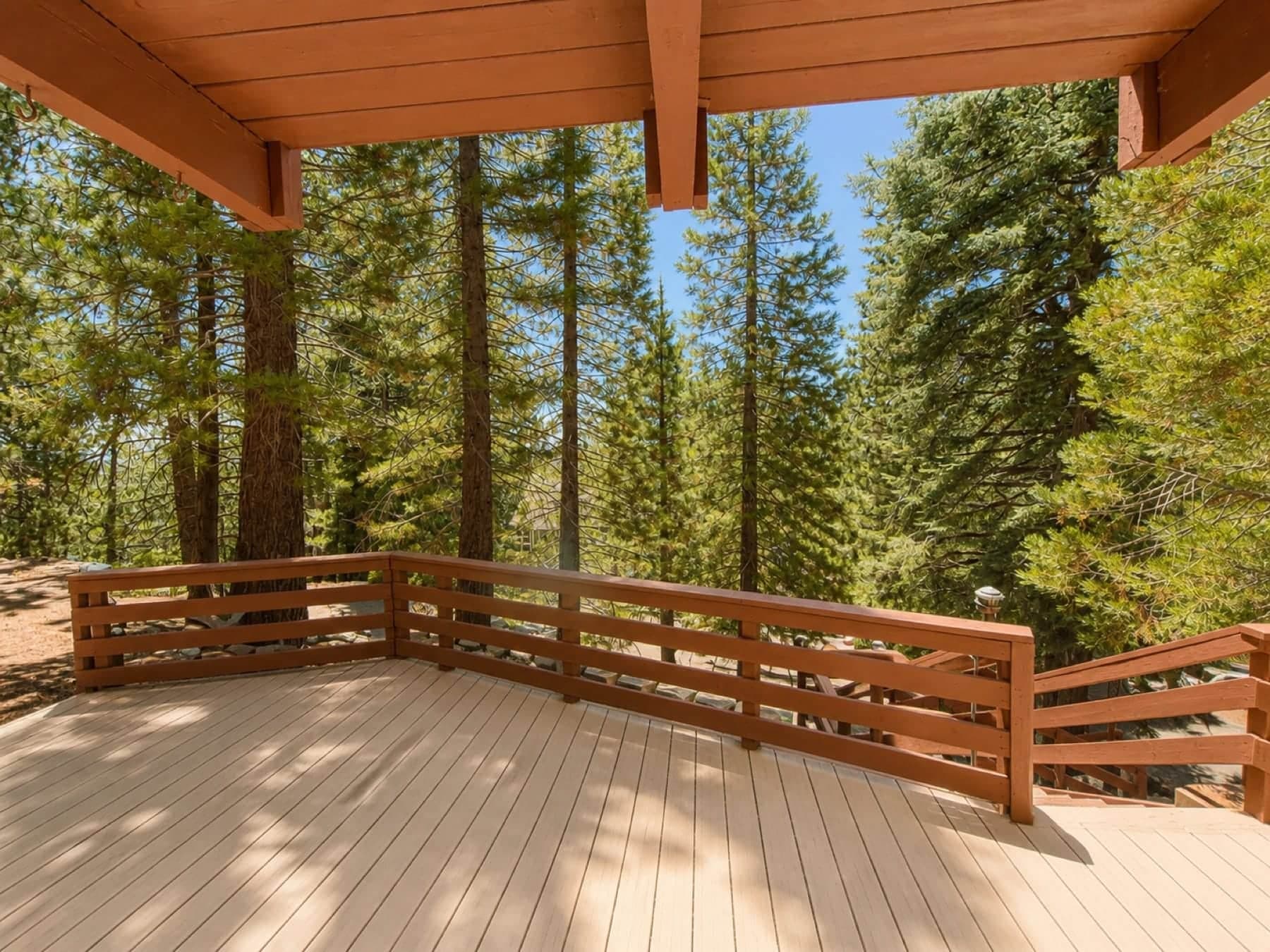
Give a tired deck a careful look
Routine cleaning or refinishing can help presentation. Concerns about deterioration, railings, supports, or structure belong with a qualified professional. Buyer systems: mountain home inspections.
- 5
Plan winter safety and summer outdoor living separately
Winter: snow and ice on parking, walkways, stairs, and entries. A canceled showing can be the kinder choice when the path is icy. Highways: Caltrans QuickMap. More on winter access. Summer: clean decks, outdoor furniture, walkways, views, light, and air. Plow timing stays with the agencies that publish it.
- 6
Declutter, pack memories, then work backward from the first photo
Buyers need to see rooms, storage, architecture, and views—not years of gear. You do not have to erase every personal item. Reduce highly personal displays for privacy and so the next family can imagine themselves there. Prioritize what helps presentation. Asking price: pricing a mountain home. Listing approach: selling a mountain home.
What to repair, and what can stay
Take care of known safety, function, and presentation problems: railings, obvious leaks, damaged materials, fixtures that need a hand, and visible deferred maintenance. Some items can be shared honestly and handled in the sale. A fortune spent so the house looks like every other listing can wait.
Paint can help worn or very personalized walls. Many homes can skip it. Wood, stone, and cabin character are often why people came. A kitchen can start with clean, light, hardware, and function. A tear-out makes sense when the kitchen is badly damaged. Bathrooms: clean and working often feels better than fancy tile the next owner would change. This site keeps remodel payback as a conversation, not a published percentage.
Decks: cleaning or refinishing when that is appropriate. Deterioration, railings, supports, or structure belong to a qualified professional—not a weekend stain. Buyer inspections of systems stay on mountain home inspections. Owners who are staying put can use the same deck and tree questions on mountain home maintenance.
Exterior, trees, driveway, and parking
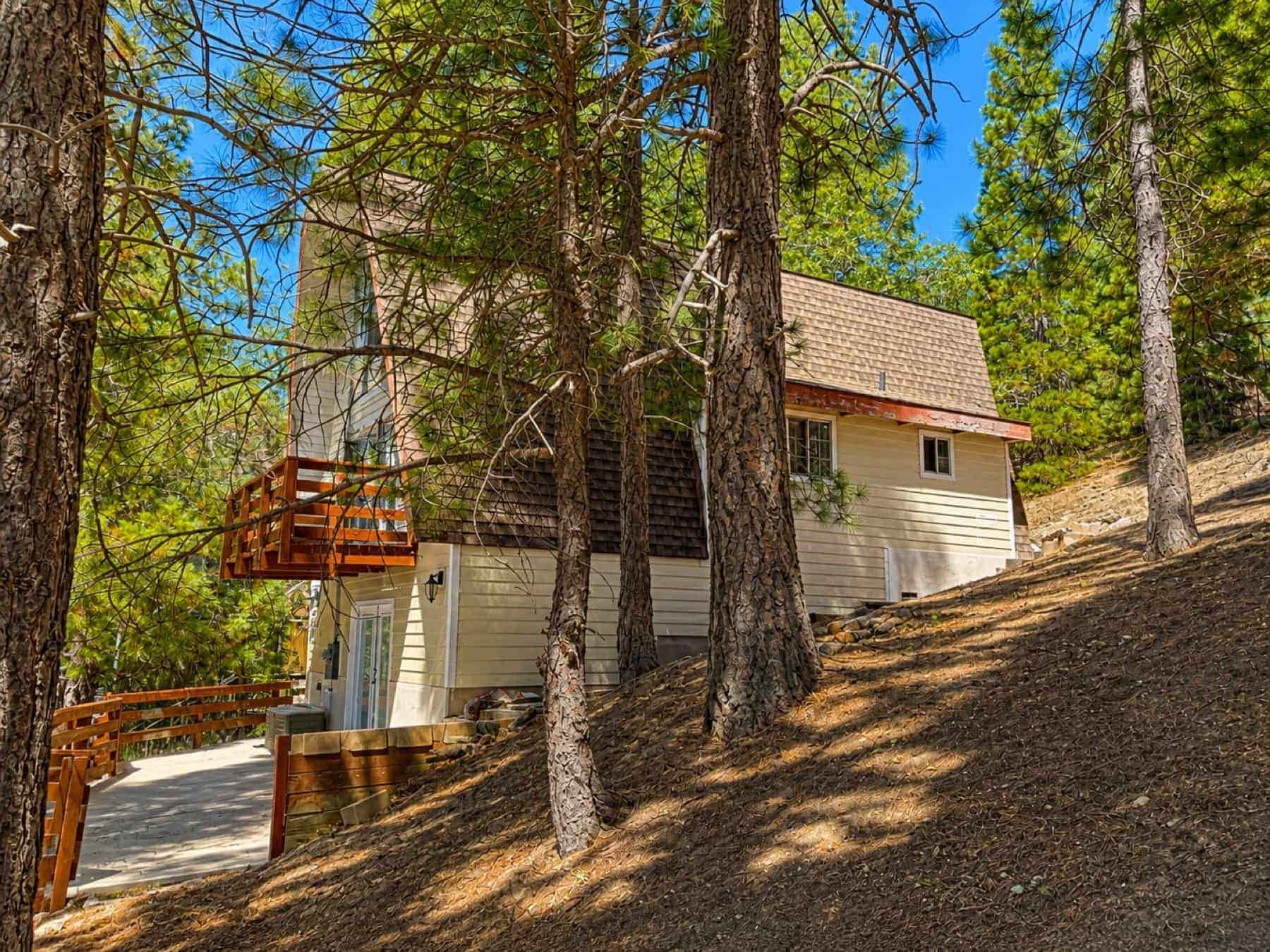
Opinion forms in the driveway. Peeling finishes, damaged trim, clogged drainage, neglected stairs, and debris make buyers wonder what else waited. The outside does not need to be perfect. It should look cared for. Mountain weather is hard on siding; you may be used to it. A buyer is not.
Trees: cleanup and current defensible-space education, not stripping the forest. CAL FIRE and Ready for Wildfire. Hazardous trees: a qualified professional. Vegetation work is not a coverage promise. California Department of Insurance.
Parking: make it obvious where cars go and turn around. Extra spaces, a garage, or boat parking should not hide behind clutter. Grade, snow storage, and stairs stay on driveways and parking—this page does not recopy that hub.
Winter showings, summer decks, clutter, and the photographer
Winter: safety first. Snow and ice on parking, walkways, stairs, and the door. Coordinate removal when needed. Keep the house comfortable. A postponed showing can be the kinder choice when the path is icy. Caltrans QuickMap and winter access. Snow-season showings have a gentle guide of their own: selling a mountain home in winter. This page does not invent plow times. Cyndi’s mom: a warm house after the cold walk-in can leave a mark.
Summer: outdoor living. Clean decks, furniture, walkways, views, light, and air. If you sat on a particular deck for the afternoon view, let buyers see why.
Declutter enough that rooms, storage, architecture, and views read. Gear collects in cabins. Start before listing week. You do not have to erase every personal item. Reduce highly personal displays so buyers can imagine their own family—and so photographs can stay a welcome, with your private life packed away. Pack memories, and keep what matters.
Before the photographer, Cyndi works backward from a phone screen: clean, organized, easy to understand, and honest about what makes this house special. No random spending. Listing price and marketing stay on sell.
Fire questions, early and calmly
Cleaning, paint, and listing photographs are a natural place to begin. Fire-related disclosures and defensible-space questions belong in that same early conversation. They are kinder to meet at the start than in the last days of escrow. Begin with the property’s location, the requirements that apply, and any inspection records or notices you already have. That helps you see the next step before anyone assumes what work is necessary.
Picture a property where an inspection finds vegetation or accumulated material that needs attention. The seller would want to understand the corrections, arrange the right work, and gather any follow-up documentation the responsible authority asks for. It is an example. Current education is at Ready for Wildfire.
When you ask about fire rules, a calm start is the parcel, the fire-hazard designation, and the authority responsible for that property. For a Running Springs property, a kind first call is the Running Springs Fire Department, to see whether they are the local contact. Cyndi can help you gather records, find the current instructions, and keep the transaction paperwork moving with the brokerage and escrow team. The fire authority is the one that can say what that parcel needs.
Start early, and keep the paper. Notices, inspection results, correction lists, receipts, and any compliance documentation are worth holding onto. Defensible-space work, home-hardening improvements, and insurance requirements are related, and each one still gets its own look. Finishing one of them leaves room for the others. Passing an inspection is a welcome step. The house can still use the other conversations, and fireproof is a stronger word than that record can carry. A quote for this address still belongs with a licensed insurance professional and the California Department of Insurance. The insurance guide is mountain home insurance.
Qualifying California property sales can involve wildfire-related disclosures and defensible-space documentation. What applies depends on the property, the law, local rules, and the compliance process that is available. The fire authority can confirm inspection requirements. The brokerage and escrow team can help identify the transaction documents and any agreements about completing the work. A general home inspection is a welcome look at the house. Fire-related paperwork still has its own path. Current guidance is with CAL FIRE defensible space and wildfire prep.
A simple checklist can hold the fire authority, the hazard designation, existing notices, inspection requests, required corrections, and the records that support them. Where work is needed, a qualified vegetation-management contractor, an arborist, or another licensed professional may belong. When a tree may need to come down, check the permissions and restrictions that apply. Trees, needles, and the outdoor look stay on mountain home maintenance.
Preparing-to-list FAQ
Where should a mountain homeowner start when preparing to sell?
Start with an honest walk-through before spending money. Understand condition, strongest selling features, obvious maintenance, and anything that could distract a buyer. Then prioritize. Cleaning, safety, access, deferred maintenance, and presentation usually come before expensive cosmetic projects. The goal is not to make the house brand new. Cyndi Lamperts (DRE #02187485; DRE license lookup) helps you see the next useful spend. Cyndi’s mom: walk outside and back in as if you have never seen it. What you learned to live with may be the first thing a buyer notices.
Which repairs should I make before listing?
Focus first on known issues that affect safety, function, how confident a buyer feels, or presentation: loose railings, obvious leaks, damaged materials, nonworking fixtures, and visible deferred maintenance. Some work helps the listing. Other items can be shared honestly and handled in the sale. Cyndi’s mom: take care of the things you have been saying you will fix someday.
Which repairs might not be worth doing before I sell?
Major remodels or highly personal upgrades may not return what they cost, especially when a buyer may prefer something different. A clean, functional older kitchen can be better than rushing an expensive remodel. Compare cost, time, market expectations, and likely buyer response. This site does not publish a return-on-remodel percentage.
Should I paint before selling my mountain home?
Fresh paint can help when walls are worn, heavily marked, or very personalized. Many mountain homes can skip it. Wood, stone, and architectural character are often why people fall in love. If paint helps, the goal is usually clean, cared for, and easy to imagine living in. Cyndi’s mom: some cabins are supposed to feel like cabins. If the cabin still feels like the mountains, that feeling is worth keeping.
Should I remodel the kitchen before listing?
A kind first look is often the kitchen you already have. Cleaning, lighting, hardware, minor repairs, and better presentation may be enough. If the kitchen is severely damaged or hard for buyers to picture, that can be a different conversation. Compare the likely welcome with cost and time. Cyndi’s mom: a clean older kitchen can still be charming. If everything works, the newest style can wait.
Should I remodel the bathrooms before selling?
Make bathrooms clean, functional, and presentable first. Address obvious maintenance or safety. A complete remodel can be expensive and may not be necessary. Small improvements can matter without redesigning the whole house. Cyndi’s mom: clean matters more than fancy. Buyers can imagine changing tile later. It is harder to overlook a neglected bathroom.
Should I repair or refinish the deck before listing?
Decks are often a major mountain feature. Routine cleaning or refinishing may improve presentation. If there are concerns about deterioration, railings, supports, or structure, have a qualified professional evaluate it—do not treat that as a cosmetic project. Systems: mountain home inspections. Cyndi’s mom: buyers will look at what they are standing on.
How important is exterior maintenance before listing?
Very important. Buyers form an opinion before they walk inside. Peeling finishes, damaged trim, clogged or damaged drainage, neglected stairs, debris, and other visible maintenance can make buyers wonder what else was postponed. The exterior does not need to be perfect. It should look cared for. Mountain weather is hard on exteriors; a buyer is seeing it for the first time.
What should I do about trees and vegetation before selling?
Start with basic cleanup and understand applicable defensible-space or vegetation requirements. Remove obvious debris. Keep the forest setting buyers came for. Hazardous trees or significant work belong to a qualified professional. CAL FIRE: CAL FIRE. Ready for Wildfire: Ready for Wildfire. Vegetation work is not a promise of insurance: California Department of Insurance. Cyndi’s mom: the goal is not to remove the mountain feeling.
How should I prepare the driveway and parking areas?
Make access obvious and usable. Clear unnecessary items, address simple maintenance where appropriate, and make it easy to see where vehicles park and turn around. Extra parking, a garage, or boat parking should not hide behind clutter. Parking can be a meaningful selling point. Detail: driveways and parking. Cyndi’s mom: if people cannot tell where to park when they arrive, that is not a great first impression.
How should I prepare a mountain home for winter showings?
Safety and access come first. Plan for snow and ice around parking, walkways, stairs, and entrances, and coordinate snow removal when needed. Keep the home comfortable. Let buyers experience important exterior areas only when conditions permit. Do not create unnecessary risk to keep an appointment. Caltrans QuickMap: Caltrans QuickMap. Winter access: winter access. This page does not invent plow times. Cyndi’s mom: a warm house after walking in from the cold can make a strong impression.
How should I prepare a mountain home for summer showings?
Show outdoor living. Clean decks and patios, organize outdoor furniture, clear walkways, and let buyers experience views, trees, and usable outdoor areas. Inside, use natural light and ventilation so the house feels fresh. Cyndi’s mom: if you always sat on a certain deck because of the afternoon view, make sure buyers can see why.
How much should I declutter before listing?
Enough that buyers can see the rooms, storage, architecture, and views instead of your belongings. Mountain homes accumulate gear, tools, holiday items, and furniture. You do not have to remove every sign of life, but crowded rooms photograph smaller. Start early. Separate keeping, donating, selling, and discarding. Cyndi’s mom: cabins collect things because everybody brings something up and leaves it. Start before listing week.
Should I remove family photographs and personal collections?
You do not need to erase every personal item. Reducing highly personal displays helps buyers focus on the property and protects some privacy during photography and showings. Keep enough warmth that the house still feels like a home. Cyndi’s mom: pack memories without throwing them away. Put special things somewhere safe before strangers walk through.
How does Cyndi decide what a seller should do before the photographer arrives?
She works backward from what the buyer will see online. The property should be clean, organized, and visually easy to understand. Highlight what makes this house special: view, fireplace, deck, vaulted ceilings, parking, garage, level entry, forest—whatever is actually there. She does not want random spending. Confirm her license: DRE license lookup. Pricing and listing: selling a mountain home.
When should fire and defensible-space questions come up before a listing?
Early, along with cleaning, paint, and photographs. These are kinder to meet at the start than in the last days of escrow. Begin with the property’s location, the requirements that apply, and any inspection records or notices you already have. That helps you see the next step before anyone assumes what work is necessary. CAL FIRE defensible space: CAL FIRE defensible space. Wildfire prep: wildfire prep.
What does fire preparation look like before a mountain home is listed?
An inspection might note plants or piled material that need care before photos and showings. The seller can learn what the authority is asking, line up the right help, and keep whatever follow-up papers are requested. The scene is an example. Ready for Wildfire: Ready for Wildfire.
Who do I ask about fire rules before I list?
Start with the parcel, the fire-hazard designation, and the authority responsible for that property. For a Running Springs property, a kind first call is the Running Springs Fire Department, to see whether they are the local contact: Running Springs Fire Department prevention. Cyndi can help you gather records, find the current instructions, and keep the transaction paperwork moving with the brokerage and escrow team. The fire authority is the one that can say what that parcel needs. License lookup: DRE license lookup.
What fire records should a seller keep?
Notices, inspection results, correction lists, receipts, and any compliance documentation. Defensible-space work, home-hardening improvements, and insurance requirements are related, and each one still gets its own look. Finishing one of them leaves room for the others. Passing an inspection is a welcome step. The house can still use the other conversations, and fireproof is a stronger word than that record can carry. California Department of Insurance: California Department of Insurance. Insurance guide: mountain home insurance.
What wildfire paperwork can come with a California sale?
A California sale can include wildfire disclosures and papers about the space around the house. Which papers apply comes from the property, the law, local rules, and the process that office uses. The fire authority can say what an inspection needs. The brokerage and escrow can help you find the forms and any agreement about finishing work. A home inspection is a kind look at the building. The fire file is its own folder. CAL FIRE: CAL FIRE.
What belongs on a fire-prep checklist before listing?
The property’s fire authority, the hazard designation, existing notices, inspection requests, required corrections, and the records that support them. CAL FIRE: CAL FIRE defensible space. Where work is needed, a qualified vegetation-management contractor, an arborist, or another licensed professional may belong. When a tree may need to come down, check the permissions and restrictions that apply. Trees and the outdoor look: mountain home maintenance.
Want a prioritized list for this house?
Tell Cyndi the address and what you were about to spend on. She will help you see what helps presentation.