
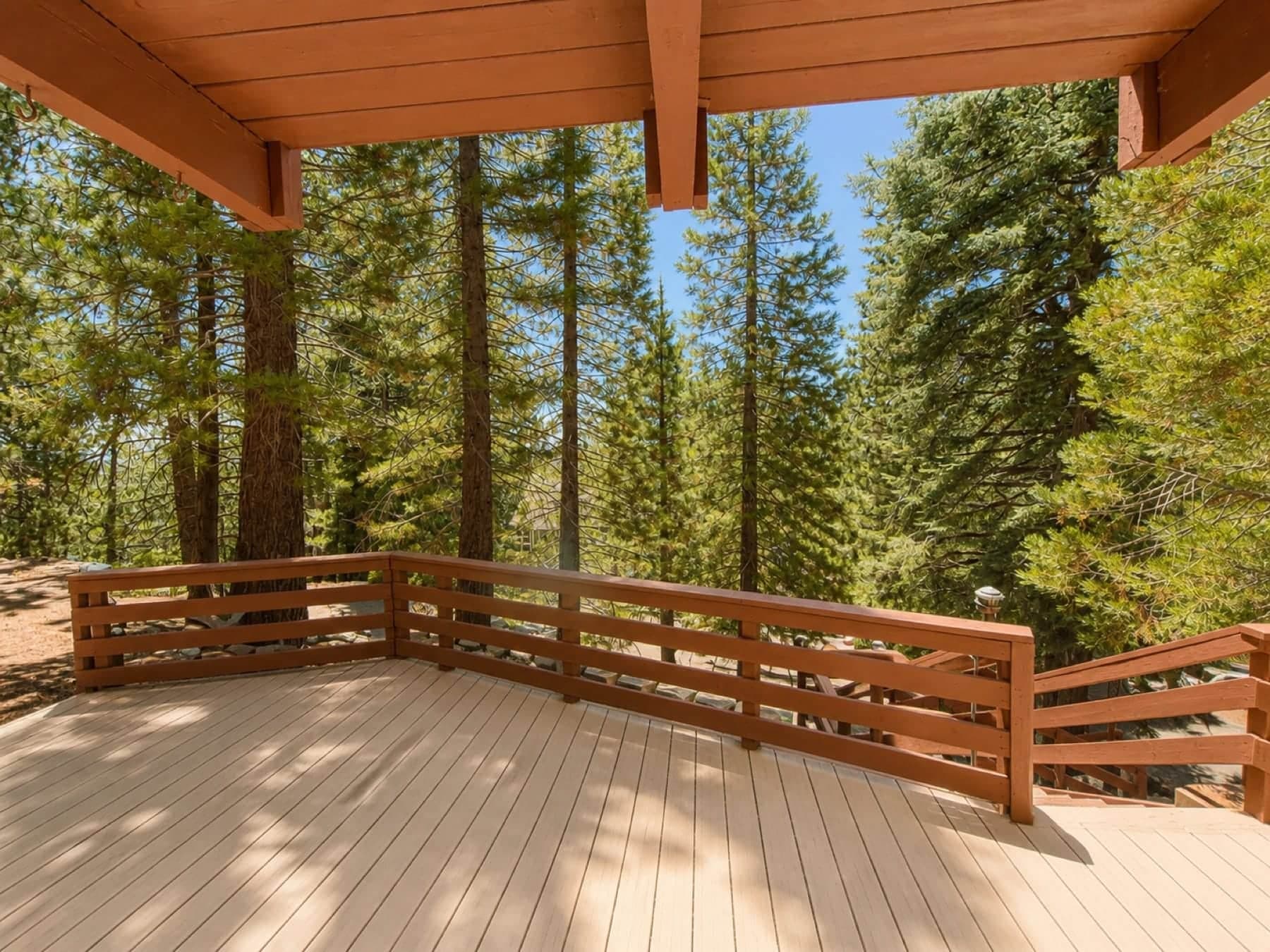
When the escape starts to feel like home
Cyndi Lamperts is a REALTOR® with Mountain Top Producers Realty in Running Springs (DRE #02187485). Call or text (949) 338-9308, 8 a.m. to 8 p.m., 7 days a week. License lookup: DRE license lookup. Her answer is a kind one: full-time mountain living gives you the real experience. A weekend cabin gives you a wonderful escape. They are different dreams, and both can be great.
This page is for the moment the weekends start to feel like the life you want. The first choice, full-time or a weekend cabin, stays on full-time or a weekend cabin.
If you have mostly come for a day or a weekend, a little ordinary time can teach you more than an afternoon of showings. Wake up here. Drive the roads at night. Buy groceries. Work from the house if that is part of the plan. Cyndi's mom: mountain living is the ordinary Wednesday, along with the vacation part. You can buy with the other seasons in mind even when you visit in only one of them. A beautiful summer driveway deserves another thought once you picture snow or ice.
- 1
Spend an ordinary Wednesday here
Wake up, drive the roads at night, buy groceries, and work from the house if that is the plan. Cyndi's mom: living here includes an ordinary Wednesday. The first choice between the two dreams: full-time or a weekend cabin.
- 2
Walk the Tuesday errands for that address
Groceries, work, snow, medical care, and the road you would actually use. Errands: everyday errands in the mountains. Community chooser: which mountain community.
- 3
Look at the house for daily life
Parking, access, storage, heat, a place to work, and the floor plan on a weekday. Driveways: driveways and parking. Heat: heat, fireplaces, and chimneys. Internet at the address: working remotely from the mountains.
- 4
Tell the lender and the insurance professional
Share how you intend to use the house once the weekends become the week. California Department of Insurance: California Department of Insurance. Insurance guide: mountain home insurance.
- 5
Learn the pace of the mountains
Learn how people live here, learn the weather, meet neighbors, and keep a shovel and a kit before you need them. Moving tips: moving to the mountains. Roads: Caltrans QuickMap.
Full-time life is a normal Tuesday
Full-time living means we get to think past the tourist weekend. Where will you buy groceries? Where do you work? Will you commute? Are children part of the household? How much does medical access matter? How much snow do you want to live with? What road and driveway feel comfortable? How much activity do you want around you? The town that fits is the one that feels right on a normal Tuesday.
A weekend cabin can sit a little farther from the store and still feel right. Once you live here, those trips become part of the week. A house can feel wonderfully secluded on a Saturday afternoon and a longer errand on Tuesday morning. Cyndi's mom: plan a little ahead, and let the drive to the store become a familiar part of the routine. Errands, deliveries, and medical care by town: everyday errands in the mountains. Mountain communities have medical resources, and a particular hospital or specialist can mean a trip. If that proximity matters to you, let it help you choose the place.
If children are part of the move, look into schools, childcare, the commute, medical needs, and activities in that community. Choose the mountains because the week fits the family. Families: mountain living for families. Stairs, level entry, and heat for a quieter chapter: retiring to the mountains.
Ask the cabin whether it can hold a weekday
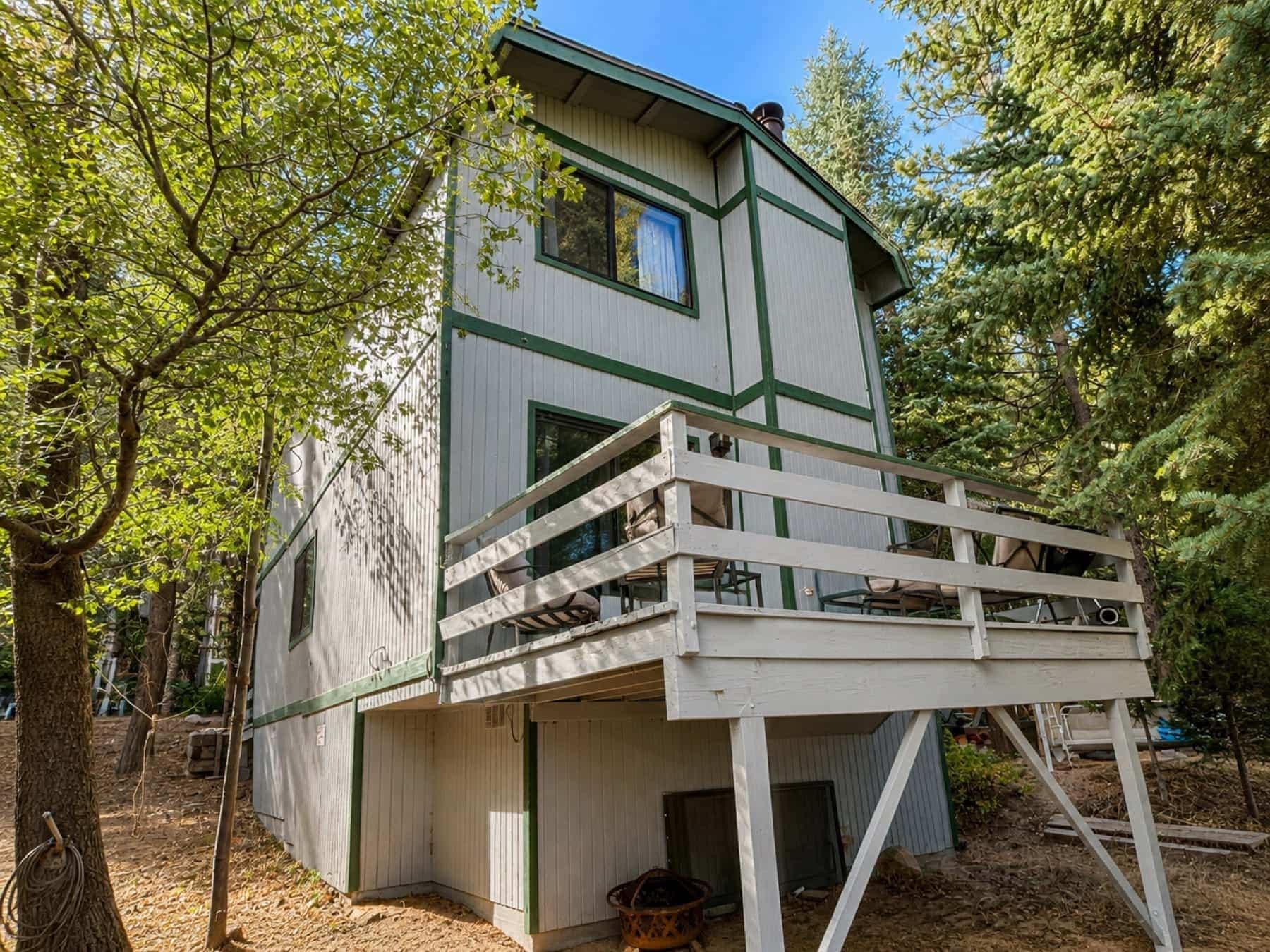
For full-time life, the practical pieces matter every day: parking, access, storage, heating, a place to work, internet at that address, how close the services feel, and whether the floor plan works on an ordinary Tuesday. Cyndi's mom: grocery trips, winter mornings, storage, and everyday routines sit beside the view.
Some older cabins were shaped for occasional visits. It helps to test the storage, the stairs, the bathroom placement, the heating, and the room sizes against the week you actually live. Older cabins: older mountain cabins. Level entry can matter more once groceries, guests, snow, or a slower season are part of the picture. A garage can feel much closer to a necessity after the first big snowstorm. A steep driveway is worth a January thought, along with the July one.
If you will live here, look at the actual roads and the driveway. Four-wheel drive can help, and winter driving still asks for care. The driveway, the parking, and where the snow can go: driveways and parking. Heat: heat, fireplaces, and chimneys. Internet and cell at the address: working remotely from the mountains.
The week you are here, and the plan you tell people
Tell your lender and your insurance professional how you intend to use the house. A weekend cabin and a primary home are different plans, so the new plan belongs in that conversation. Insurance for the address: mountain home insurance and California Department of Insurance.
Pipes can freeze, and winter preparation still matters when you are home. It helps to learn the plumbing, understand the heating, and know the shutoffs. A qualified professional can show you what this house needs in freezing weather. If the power goes out, ask what your household needs: work from home, medical equipment, the kind of heat, refrigeration, and the internet. A backup plan can be worth considering, and a qualified professional handles the installation. Safe generator use, including carbon monoxide, stays with the CDC: CDC carbon monoxide information. Backup power: backup power for mountain homes. Storm supplies: winter storm prep. Roads: Caltrans QuickMap and winter access.
If you were moving the rest of the way tomorrow, Cyndi would say this: learn how people live here. Learn the weather. Meet your neighbors. Explore the communities. Be prepared. Then slow down enough to enjoy why you came. A shovel is a faithful winter tool, and an emergency kit belongs in the house before you need it. Moving tips: moving to the mountains. The first full year: your first year on the mountain.
Let the town match the week
Lake Arrowhead, Running Springs, Crestline, Big Bear, and the smaller communities each have their own feel. Sometimes a buyer arrives sure of one town and finds another one fits the week more kindly. Cyndi would love to help you feel that before one house takes over. Start here: which mountain community.
Day to day: living in Lake Arrowhead, living in Running Springs, living in Crestline, and living in Big Bear. If you will drive down the hill for work, try the trip at the hour you would leave. Lake Arrowhead, Crestline, Running Springs, and Big Bear ask for different roads. The commute page leaves the minutes with you: commuting from the mountains. Chain controls: Caltrans chain controls.
Weekend to full-time questions
What changes when a weekend cabin becomes a full-time home?
Cyndi: full-time mountain living gives you the real experience. A weekend cabin gives you a wonderful escape. They are different dreams, and both can be great. Full-time life is groceries, work, snow, the road, the driveway, and an ordinary Tuesday. Tell your lender and your insurance professional how you intend to use the house. The first choice between the two dreams: full-time or a weekend cabin. Cyndi Lamperts, DRE #02187485: DRE license lookup.
How can I tell whether I would like living here all week?
Spend ordinary time here if you can. Wake up, drive at night, buy groceries, and work from the house if that is the plan. Cyndi's mom: mountain living includes an ordinary Wednesday. A summer visit can still teach you, once you picture the driveway, the stairs, and the shade in snow. California DRE: California DRE.
Which mountain community fits full-time life?
The town that fits is the one that feels right on a normal Tuesday. Groceries, work, children if they are part of your household, medical access, snow, the road, the driveway, and how much activity you want around you all matter. Lake Arrowhead, Running Springs, Crestline, and Big Bear each have their own day-to-day page. The chooser: which mountain community. California DRE: California DRE.
What should I tell my lender and insurance professional?
Tell them how you intend to use the house. A weekend cabin and a primary home are different plans, so the new plan belongs in that conversation. Insurance for the address: mountain home insurance. California Department of Insurance: California Department of Insurance. License lookup: DRE license lookup.
What does the house need for a winter weekday?
Look at parking, access, storage, heat, and the walk from the car to the door in snow. Level entry and a garage can matter more once you are here all week. Learn the shutoffs, and ask a qualified professional what this house needs in freezing weather. If an outage would interrupt work, medical equipment, heat, or the internet, backup power is worth a conversation. Safe generator use: CDC carbon monoxide information. Backup power: backup power for mountain homes. Roads: Caltrans QuickMap.
Where do errands and medical care fit if I live here?
They become part of a normal Tuesday, and they depend on the town and the address. A weekend cabin can sit farther from services and still feel right. Full-time life makes those trips familiar. Mountain communities have medical resources, and a particular hospital or specialist can mean a trip. Errands and medical care: everyday errands in the mountains. If children are part of the move: mountain living for families. California DRE: California DRE.
Tell Cyndi the week you are picturing
Weekends you already love, and a Tuesday you are still feeling out. She will help you look at the house and the town together.