
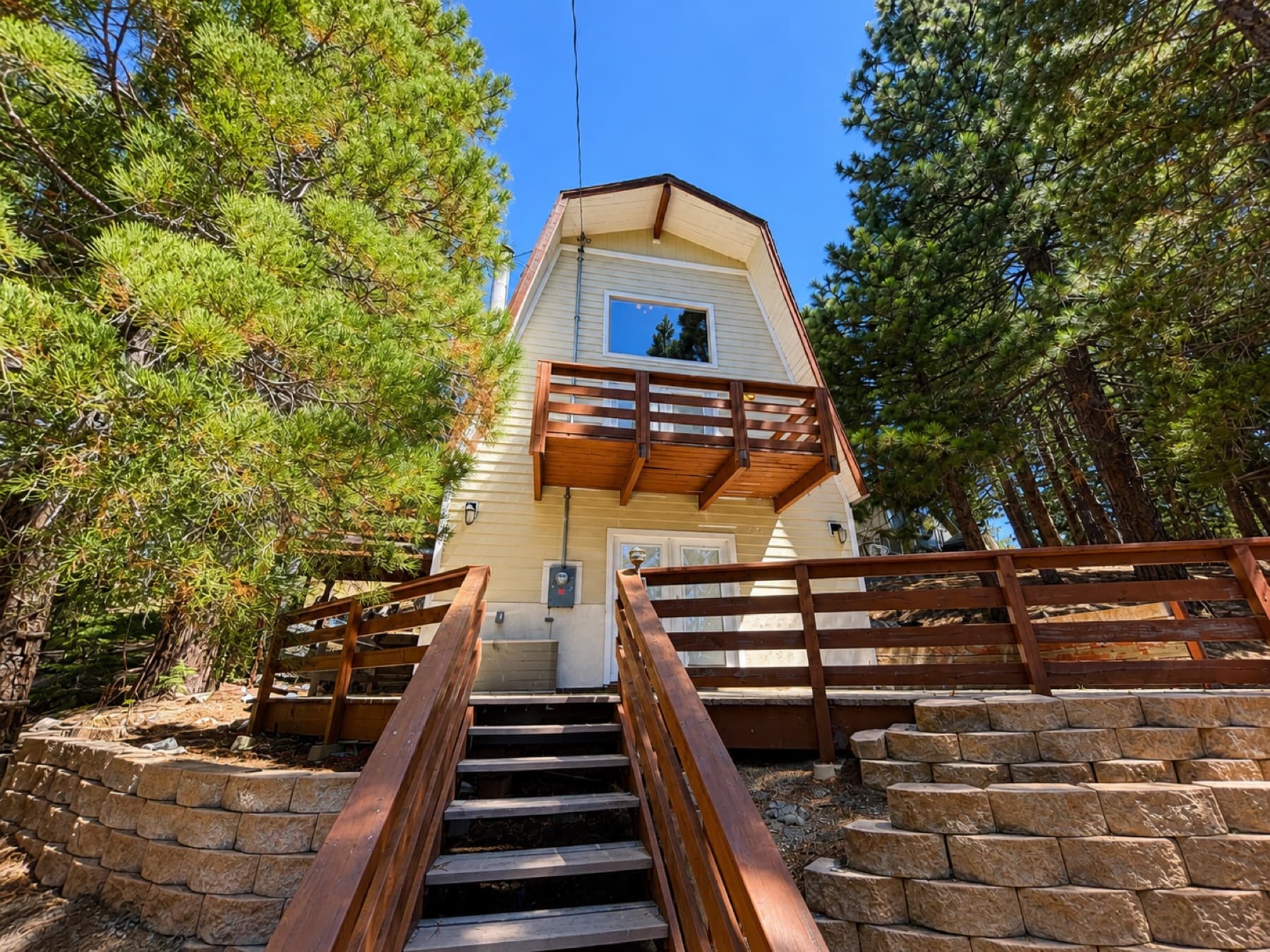
Safety and systems before the new kitchen
Cyndi Lamperts is a REALTOR® with Mountain Top Producers Realty in Running Springs (DRE #02187485). Call or text (949) 338-9308, 8 a.m. to 8 p.m., 7 days a week. License lookup: DRE license lookup. Department home: California DRE. Agent page: San Bernardino Mountains real estate agent.
A new kitchen is appealing. Cyndi would first want buyers to understand the roof, foundation, heating, electrical system, plumbing, stairs, and decks.
Inspections of those systems: mountain home inspections. What a remodel can uncover stays on remodeling an older mountain cabin. Water, sewer, and septic: septic, wells, and utilities.
- 1
Look at the systems before the finishes
Roof, foundation, heating, electrical, plumbing, stairs, and decks come before a new kitchen. Inspections: mountain home inspections.
- 2
Separate pretty updates from documented work
Fresh paint and flooring do not show whether the major systems were improved. Ask what is documented.
- 3
Gather the paper and the right professionals
Disclosures, available permits, and inspection reports come first. Additions, enclosed spaces, drainage, retaining walls, and sewer or septic need a look. Septic and utilities: septic, wells, and utilities. County land use: lus.sbcounty.gov.
- 4
Test the layout against real life
Storage, stairs, bathroom placement, heating, and room sizes have to work for the way you will live. Some older cabins were built for occasional visits. Remodeling: remodeling an older mountain cabin.
Fresh paint is not the whole story
A useful comparison is a cabin with attractive finishes beside one with documented improvements to its major systems. Fresh paint and flooring do not tell you whether the underlying work is sound.
Ask what was documented and what was not. A maintenance list belongs with the disclosures, the permits you can find, and the inspection reports.
How the cabin has changed over time
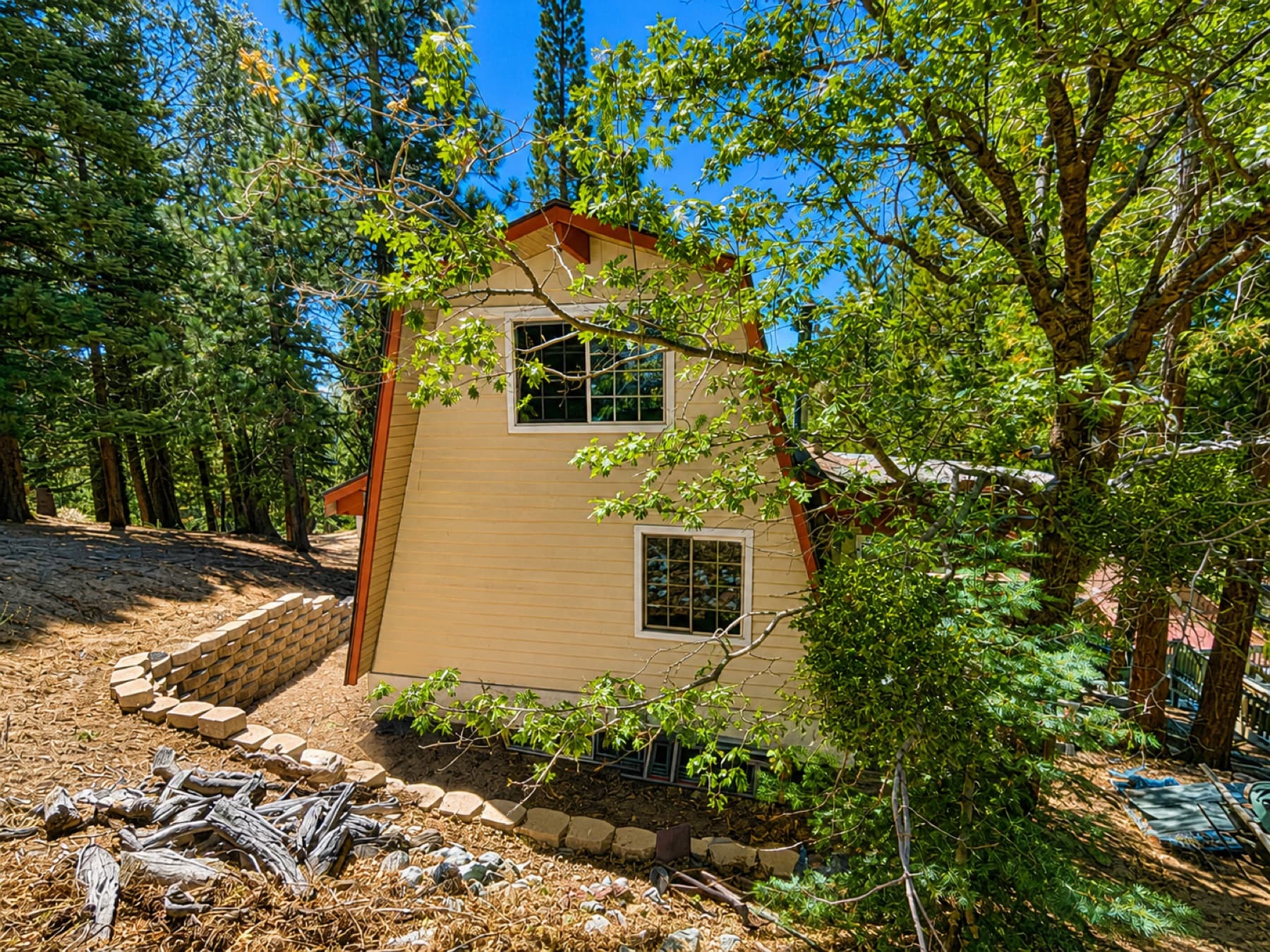
Look closely at how the home has changed. Cyndi would help you gather disclosures, available permits, and inspection reports, then bring in qualified professionals where more evaluation is needed.
Additions, enclosed spaces, drainage, retaining walls, and sewer or septic arrangements deserve attention. The showing walk for drainage and additions: looking at a mountain property. After the offer is accepted: the inspection period.
Character, and whether the layout fits the week
Older cabins can offer character, wood details, and layouts that feel very different from newer homes. Some were designed for occasional visits rather than full-time living.
Test whether the storage, stairs, bathroom placement, heating, and room sizes will work for your everyday needs. The decision should come from the condition and layout of that home, not from its age alone.
An older cabin can be a good fit when you appreciate the character and you are comfortable budgeting for upkeep. If you want minimal maintenance or straightforward access, a different property may suit you better. Full-time or a weekend cabin: full-time or a weekend cabin. Styles: mountain home styles.
Older cabin questions
What should I look at first in an older mountain cabin?
Safety, weather protection, and the essential systems. That means the roof, foundation, heating, electrical system, plumbing, stairs, and decks, before the cosmetic updates. Inspections: mountain home inspections. Cyndi Lamperts, DRE #02187485: DRE license lookup.
Does a new kitchen mean the cabin is in good shape?
Fresh paint and flooring do not tell you whether the underlying work is sound. Compare attractive finishes with documented improvements to the major systems. Ask about permits and inspection reports.
Are older mountain cabins a good idea?
They can be a good fit for someone who appreciates the character and is comfortable budgeting for upkeep. Someone who wants minimal maintenance or straightforward access may prefer a different property. Decide from the condition and layout of that home, not from the age alone.
What else in an older cabin needs a closer look?
Additions, enclosed spaces, drainage, retaining walls, and sewer or septic arrangements. Storage, stairs, bathroom placement, heating, and room sizes should fit everyday needs. Some cabins were designed for occasional visits. Looking at the property: looking at a mountain property. Septic and utilities: septic, wells, and utilities.
Tell Cyndi what you want an older cabin to do
Weekend visits and full-time living ask different things of the same cabin. She will help you put the systems on the list before the finishes.